At first glance, April Fools’ Day appears the perfect time for brands to capitalize on artificial intelligence for silly promotions and pranks, as the holiday leans into principles of deception and harmless mischief. However, as AI use for creative endeavors conjures polarizing opinions among consumers, the relationship between the holiday isn’t as light-hearted as some may assume.
In fact, a surge of brands releasing real promotions this April Fools’ Day highlights a new trend: genuine marketing initiatives may be the ironic replacement for the pranks at the onset of April.
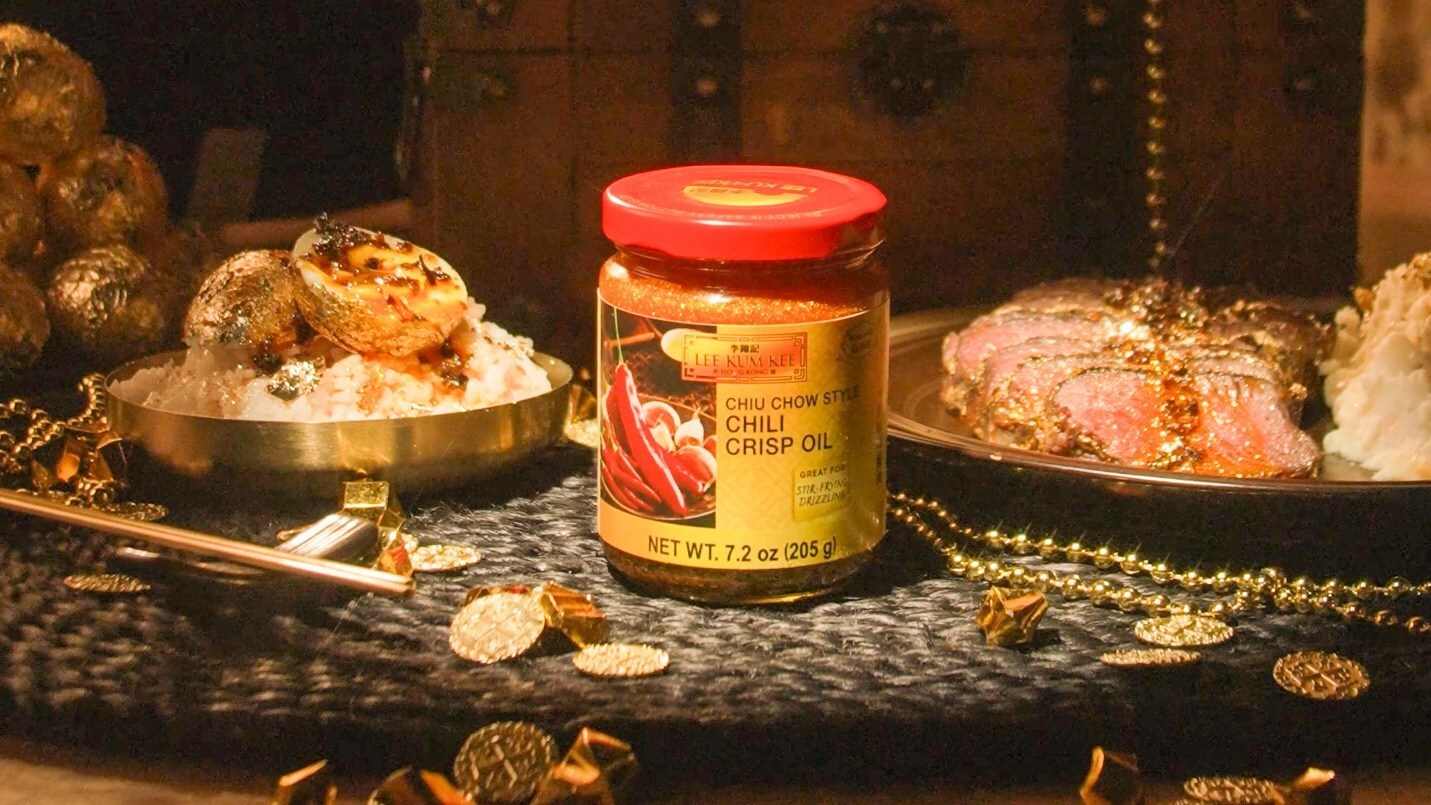
Several restaurant brands participated in traditional April Fools’ Day promotions this year, including Lee Kum Kee Limited, which jokingly marketed a gold-infused Chiu Chow Chili Crisp Oil.
Many popular quick-service restaurant brands once again embraced April Fools’ Day this year as a chance to pull the legs of their loyal customers, often targeting their social media followings, to generate chatter around their companies. From Baskin-Robbins jokingly unveiling canned ice cream soup to an account associated with Raising Cane’s Chicken Fingers facetiously announcing a partnership with The Coca-Cola Company for the introduction of “Cane’s Sauce Coke,” many brands embraced the holiday in traditional fashion.
Contrary to the holiday’s traditional spirit, though, many brands embraced a literal approach to their April 1 promotions, deliberately contrasting the slew of false marketing initiatives flooding social media platforms.
Baskin-Robbins juxtaposed its sarcastic soup campaign with an honest buy-one-get-one promotion on April 2. BJ’s Restaurants legitimately announced a pepperoni-ice cream dessert available only on April 1 with a March 23 press release.
This April Fools’ Day, Dunkin’ offered 1,000,001 free coffees to Dunkin’ Rewards members, one more free coffee than last year.
For the second consecutive year, Dunkin’ used the holiday to offer 1 million free coffees to members of its rewards program, addressing the ironic date for such an effort in an April 1 press release: “April Fools’ might come with some trust issues, but we’re here to help you get through it. Whether you’re dodging office pranks or scrolling past one too many fake announcements, we’ve got your back – and your coffee.”
Although confusion has always been at the heart of April Fool’s Day, that head-scratching aspect of the holiday is only bound to ramp up as the counter-trend of true promotions increases on a day dedicated to sarcasm. This sentiment may prove not only for human audiences, as a 2025 article from the Harvard Kennedy School Misinformation Review referenced instances where Google AI reportedly treated April Fools’ satire as fact, leading to the possibility of a “possibly degenerative ‘AI-on-AI’ feedback loop.”F
Research on consumer sentiment toward the use of AI-generated food images and related marketing efforts provides insight, though not necessarily conclusive clarity, on the subject.
According to a 2024 report from the University of Oxford, participants rated real and AI-generated food images equally appealing. However, when participants were unaware which images were AI-generated, they consistently favored the AI-created options.
Regarding brand credibility, a 2025 study published in the International Journal of Hospitality Management found that perceptions of brand authenticity, image and self-brand congruity were significantly lower for AI-generated content than for human-composed content. The findings indicated AI-generated content could weaken traditional brand perception cues, leading consumers to rely even more on their personal alignment with brands.
As the use of AI-generated content becomes more difficult for consumers to detect, AI literacy is becoming a growing focus for nonprofit organizations. One such organization, EducaMídia, partnered with AI creative studio Silverside to launch an AI Awareness Month campaign on April Fools’ Day.
“Every new creative technology expands what’s possible and challenges what people can trust,” said PJ Pereira, founder of Silverside, in an April 1 press release. “With AI and social media, that shift is happening at an unprecedented scale. As creators working with these tools, we also have a responsibility to help people better understand them—and to encourage a pause before sharing content that could mislead or have real-world consequences.”