Restaurant operators are exploring new revenue streams beyond traditional brick-and-mortar restaurants, from food trucks and brewery partnerships to airport licensing deals and automated kiosks.
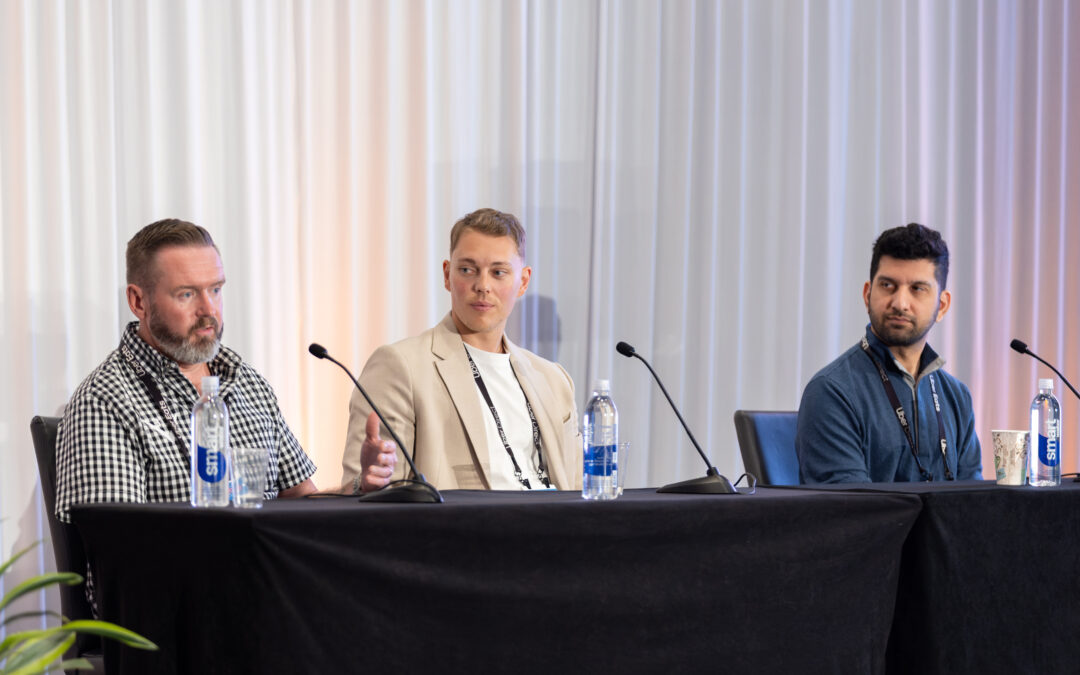
That was the focus of a session at the Food On Demand Conference in Dallas featuring Kiplan Welsch, president of Via 313; Shaz Khan, co-founder of Tono Pizzeria + Cheesesteaks; and Tord Olav Dønnum, chief business officer at Shin Starr Presents. The discussion was moderated by Hans Lammeman, Food On Demand foodservice and technology reporter.
Via 313 is an Austin, Texas-based Detroit-style pizza chain with 27 locations across three states, operating a mix of traditional restaurants, trailers, and smaller-format pickup-and-delivery kitchens. Tono’s grew from a single dual-concept pizza and cheesesteak hub near the University of Minnesota into a portfolio of pizza concepts across the Twin Cities, with 16 total locations expected by the end of the year. Shin Starr Presents operates Korean barbecue concepts built around automation, including robotic food trucks that cook using onboard robotic systems, a full-service restaurant and upcoming kiosk expansions focused on smaller-format locations.
Welsch said Via 313 evaluates new formats based on both financial return and marketing value.
“We can do a different format that is just as productive and actually has a little faster cash-on-cash return for us,” Welsch said.
Dønnum described the company’s automated Korean barbecue trucks as a “laboratory on wheels,” allowing the brand to test markets and prove consumer demand for robotics-powered food prep before expanding into permanent locations.
“We wanted to prove that people actually wanted to eat food made by robotics,” Dønnum said.
Dønnum said the company is exploring smaller-formats in places like airports, hospitals and other high-traffic locations where guests want fast access to freshly prepared food without the footprint of a traditional restaurant.
Tono’s mobile pizza oven trailer features a visible brick oven designed to cook pizzas on-site at events, catering appearances and pop-ups across Minnesota.
Khan said the trailer evolved from a budget-friendly alternative into a rolling marketing vehicle for the brand.
“People experience brands through icons,” Khan said.
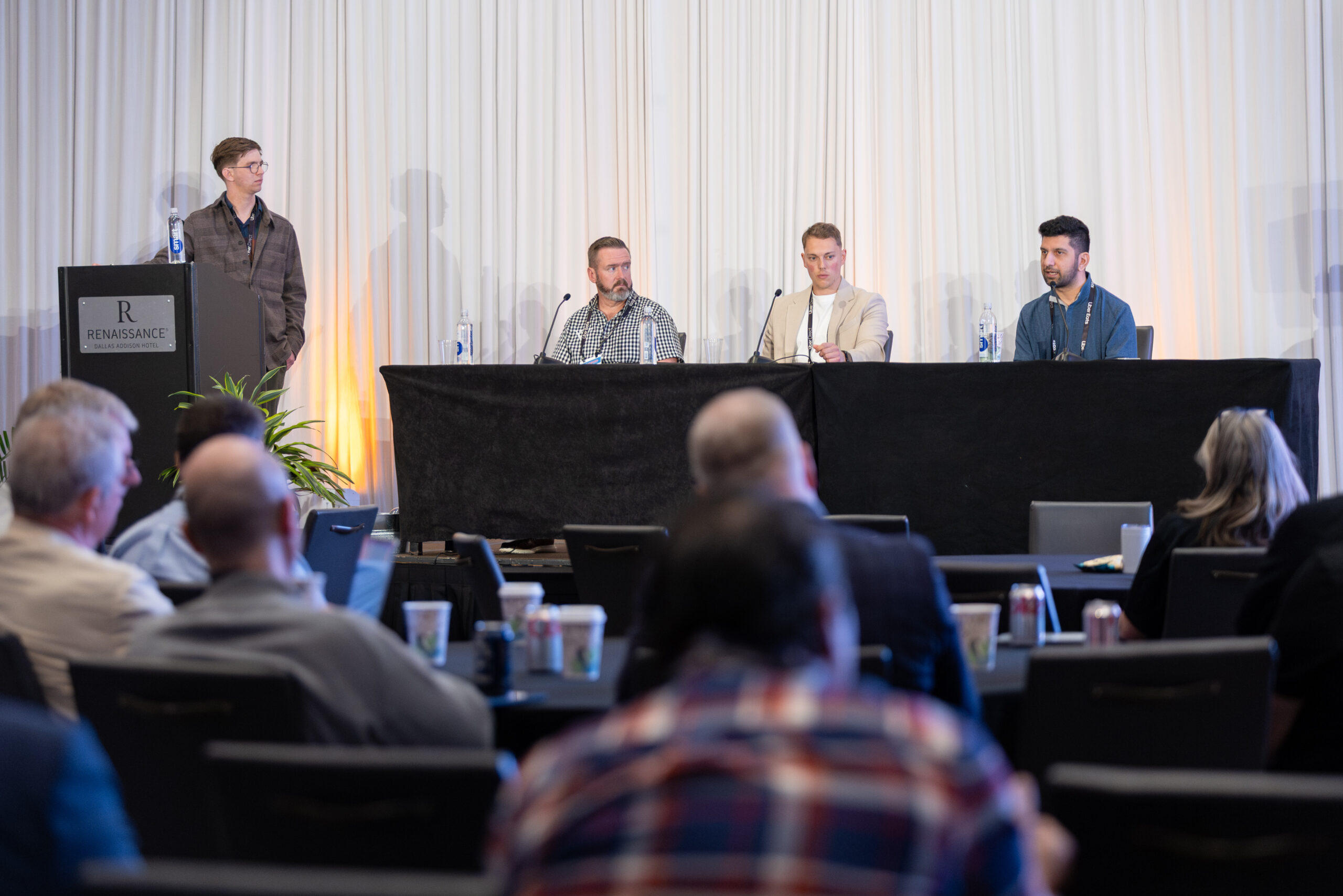
Pictured left to right: Hans Lammeman, Food On Demand foodservice and technology reporter, moderated the session featuring Kiplan Welsch, president of Via 313; Tord Olav Dønnum, chief business officer at Shin Starr Presents; and Shaz Khan, co-founder of Tono Pizzeria + Cheesesteaks.
The company is also preparing for a stadium partnership at Allianz Field in St. Paul.
Shin Starr, meanwhile, uses its brightly colored robotic food trucks as what Dønnum described as “revenue-generating billboards.”
Khan said Tono’s event strategy centers around community connection and guest experience.
“One of the reasons we started this business was so that we could become part of people’s lives,” Khan said.
Panelists emphasized authenticity and customer experience as brands expand into new channels.
“Brands are not what they say they are, but what people experience them to be,” Khan said.
“If you try to do everything on your menu and it’s not able to be executed in a way that reflects the product they would see in a brick-and-mortar, it’s more damaging than beneficial,” Welsch said.
Via 313 recently signed an agreement for a kitchen takeover inside an Austin brewery, which Welsch said will expand delivery reach while exposing the brand to new guests. The brand is also pursuing airport licensing opportunities and evaluating consumer packaged goods partnerships.
Welsch said Via 313 weighs factors including labor, fuel costs, operational disruption and guest exposure before deciding whether to bring its trailers and trucks to events.
Some activations, he added, still make sense despite limited direct profit because of the long-term brand visibility.
“We know the marketing value because of the amount of people that will be traveling to Austin for that festival and maybe trying our pizza for the first time,” Welsch said, referencing an annual music event the brand routinely attends as a vendor.
The discussion closed with advice for evaluating food trucks, mobile channels and other nontraditional formats.
Panelists encouraged operators to carefully account for hidden operational costs, including permitting, fire suppression systems, utilities, insurance and staffing logistics.
“It comes back down to availability and consistency,” Dønnum said.
The 2026 Food On Demand Conference wrapped up May 7 at the Renaissance Dallas Addison Hotel.