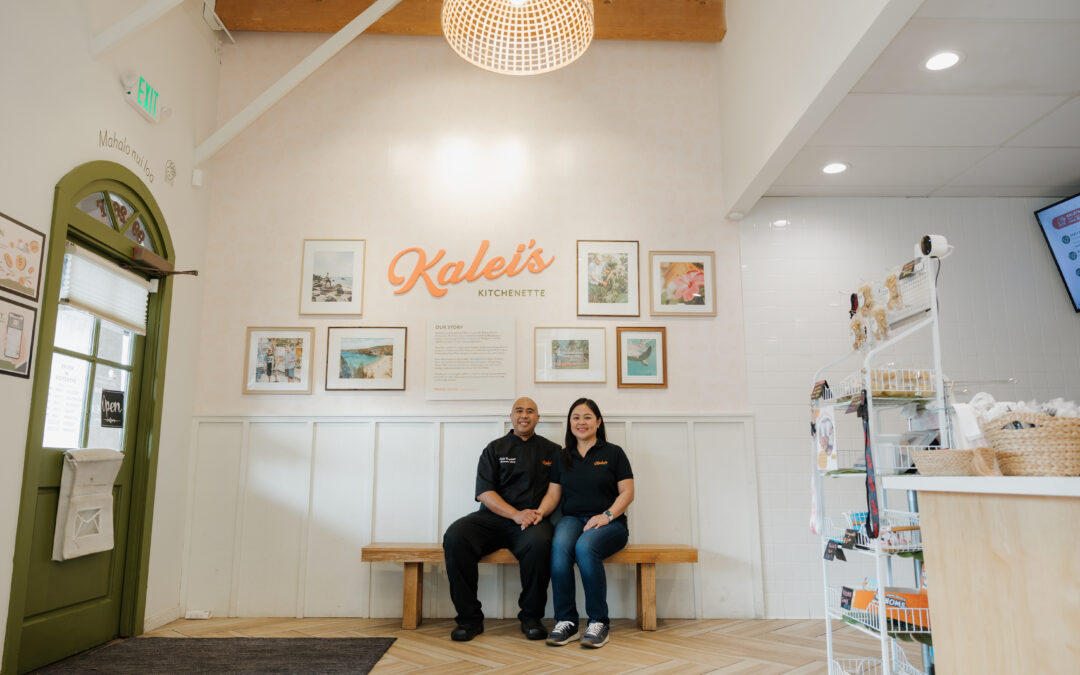
After five years spent building a customer base through catering and vending at farmers markets, co-founders Andy and Khara Mangiduyos opened the first and still only brick-and-mortar location of Kalei’s Kitchenette in 2023, a 1,200-square-foot Hawaiian-style eatery in San Diego.
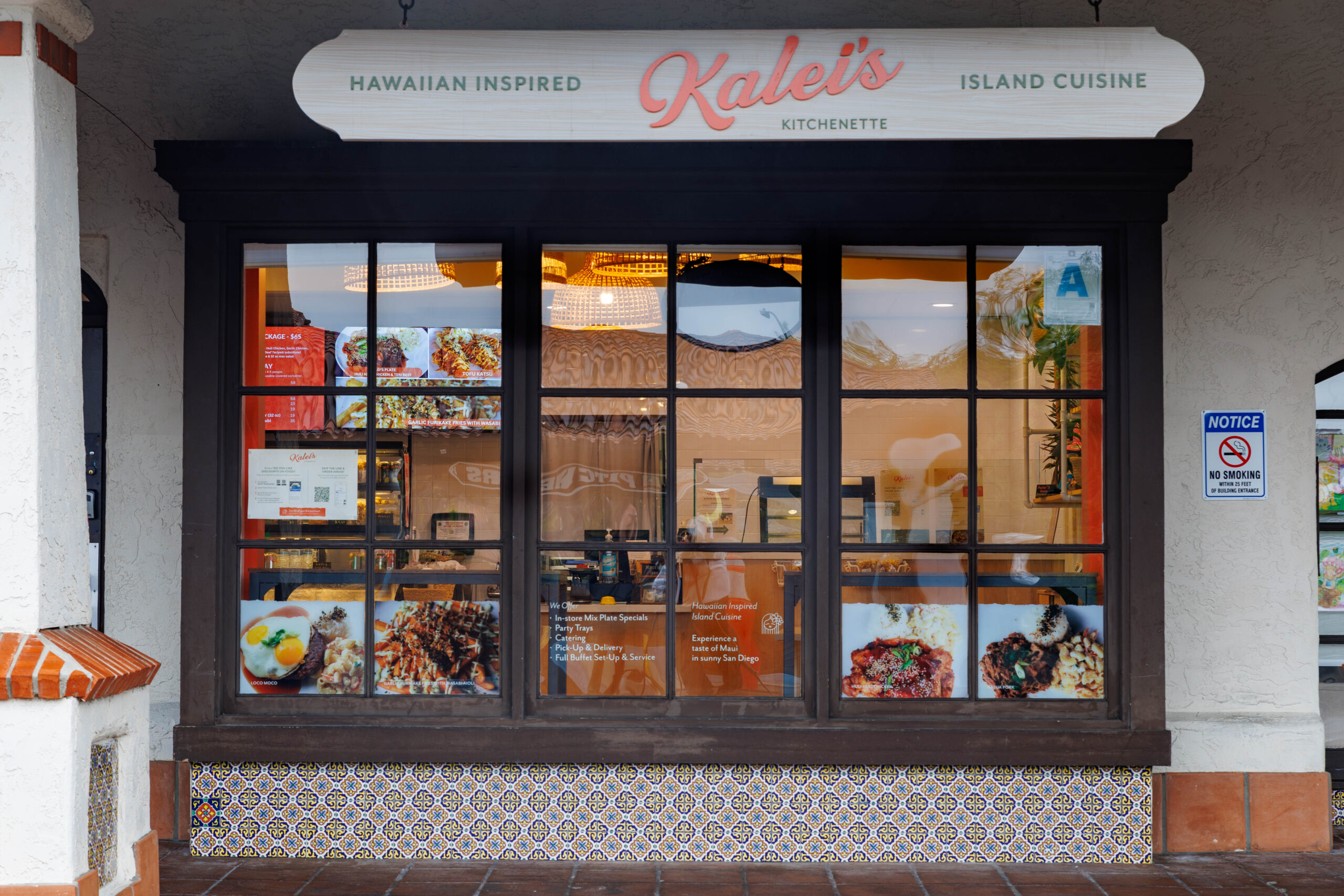
The lone brick-and-mortar Kalei’s Kitchen opened in June 2023.
Although third-party delivery platforms drive significant order volume to restaurants, the Mangiduyoses opted largely against 3PD for their concept, steering clear of all such platforms aside from ezCater and Foodja.
“I never went to third-party (platforms),” Khara Mangiduyos said, adding that commission rates ate too far into sales to justify the offering. “I was already following the trend of how third parties are in terms of the rates and commission; it’s not stopping. So, I saw that, and I also know that I can own my own channel if I exert effort.”
Three years later, that stance hasn’t changed. Instead, the restaurant stuck solely with pickup orders through the brand’s app and website for digital channels outside of catering. Even without tapping into the robust customer base of 3PD apps like Uber Eats and DoorDash, Kalei’s Kitchenette developed a significant flow of direct online traffic — accounting for 61 percent of total sales in March and April of this year.

Khara Mangiduyos is a co-founder and the head of marketing and customer experience at Kalei’s Kitchenette.
To build momentum for the single-location restaurant’s first-party channels, the brand implemented incentives, primarily in the form of emailed marketing promotions and rewards through a loyalty program powered by point-of-sale system partner SpotOn.
“When I first opened the shop, it was SpotOn already that I started working with, but I knew that I needed online ordering because I had a few challenges in the restaurant: limited seating, limited parking,” Mangiduyos said. “My food is also fast casual — served in a to-go box — so it is really meant for it (digital ordering).”
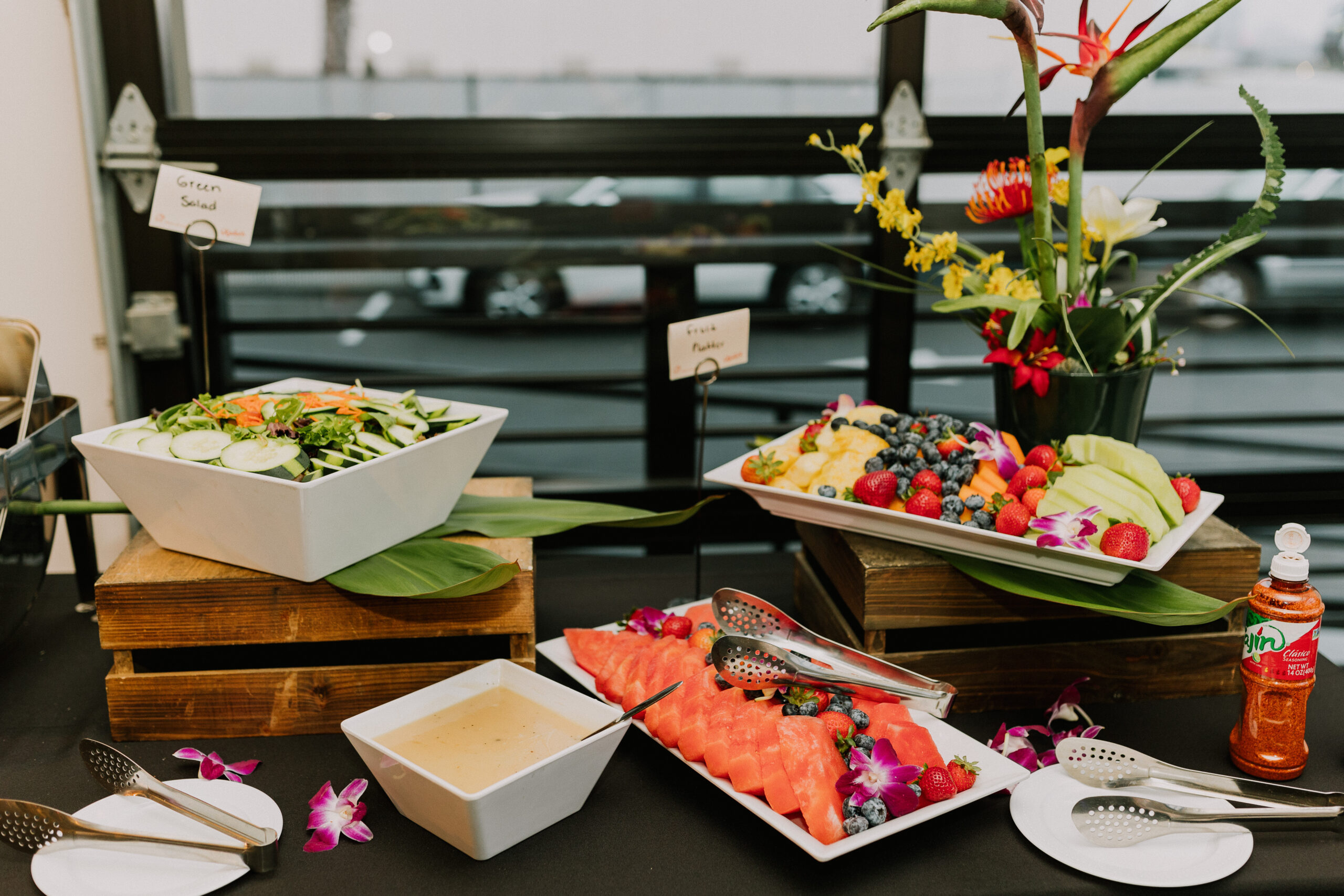
Kalei’s Kitchenette partners with ezCater and Foodja, making catering the restaurant’s only 3PD-friendly channel.
Catering marks the only exception for Kalei’s Kitchenette regarding 3PD. Catering alone accounts for 26 percent of sales, Mangiduyos said, and provides valuable exposure to customers in the area.
Positioned in an area dense with corporate offices, the restaurant participates in the ezCater Meal Program, which provides order details a week in advance. Despite the accompanying commission rates, Mangiduyos said the benefits outweighed the share of revenue pulled from each sale.
“It (catering 3PD) helps us with keeping the lights on, because our staff is busy,” she said. … “There is commission, but it’s volume now that we’re talking about. We also find a way to win them (as repeat customers). So, every time there’s a big order like that, there’s always a coupon inside there.”
Kalei’s Kitchenette is far from the only restaurant operation weighing the pros and cons of delivery. Kevin Bryla, chief marketing officer and head of customer experience at SpotOn, which largely works with restaurants in the 20-or-fewer-locations space, said brands across the industry are now working to bring life to first-party platforms after a previous reliance on 3PD apps.
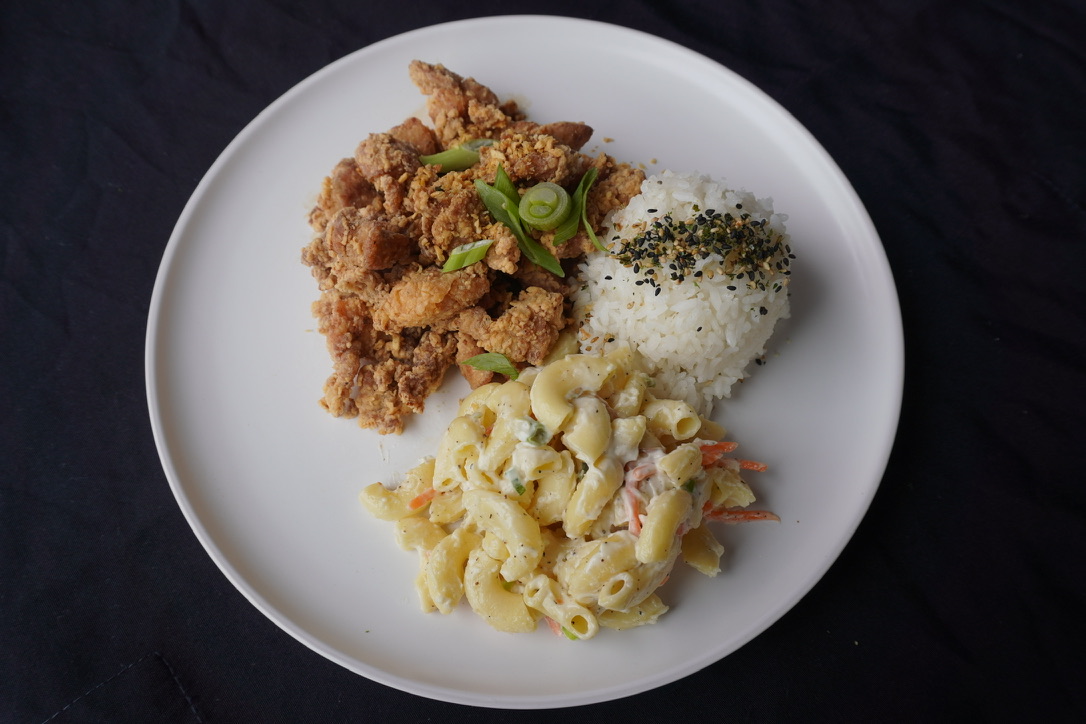
Kalei’s Kitchenette serves Hawaiian-inspired food, include garlic chicken with rice and macaroni salad (pictured above).
“If you look at most independents, the way they got into food delivery was COVID, (which) accelerated the tech adoption — online ordering became necessary,” Bryla said. “The easy button was going to third parties … they went from nothing to something that way. This move from then, third-party to first-party. It’s a little more challenging, and it’s super important for the small operator.”
The primary headaches associated with that change, Bryla said, are behavioral and operational changes for the restaurant and steering behavior changes among customers.
That retraining of customer habits is not an isolated phenomenon within the topic of 3PD. Mangiduyos said Kalei’s Kitchenette has never taken orders over the phone to preserve staff efficiency and avoid other complications; still, many customers remain familiar with the habit of phone ordering and need guidance toward the digital channels.
The emphasis on first-party channels from restaurants accompanies a pickup-friendly consumer trend. According to data from the 2026 Phygital Index Report by San Diego-based Tillster, nearly half of diners (47 percent) purchased the majority of their fast-food orders directly at restaurants over the prior 12 months, exceeding the 37 percent who most often used 3PD apps. Similarly, 61 percent of diners have abandoned a delivery order due to service fees, and about half have switched to pickup at checkout because delivery and service fees were too high.
That data suggests the tension between first- and third-party channels may intensify as operators continue to assess the ROI of 3PD investments and consumers iron out their sentiment toward the value of delivery convenience relative to the accompanying fees.