Contributing editor, Peter Backman, is a long-term foodservice sector guru and founder of theDelivery.World, a platform that connects the delivery sector and makes sense of the myriad changes and challenges that affect the sector across the globe.
The food delivery landscape has undergone a dramatic transformation over the past few years. What began as a fragmented marketplace teaming with competing platforms has consolidated into an oligopoly dominated by a handful of major players. While this consolidation promised operational efficiencies and streamlined services, the reality has revealed a more complex picture – one where restaurants, consumers, and the broader food ecosystem are grappling with consequences that vary significantly across global markets.
For restaurant operators, platform consolidation has created a precarious dependency. With fewer delivery services controlling market access, commission rates have crept steadily upward. Many restaurants report commission fees ranging from 15 percent to 30 percent per order, with premium placement adding additional costs. For establishments operating on razor-thin margins – often between 3 percent and 9 percent-these fees can mean the difference between profitability and loss.
In relatively mature markets like the United States and much of Europe, this dynamic has settled into a challenging but predictable pattern. Restaurant operators understand the cost structure, and can plan accordingly.
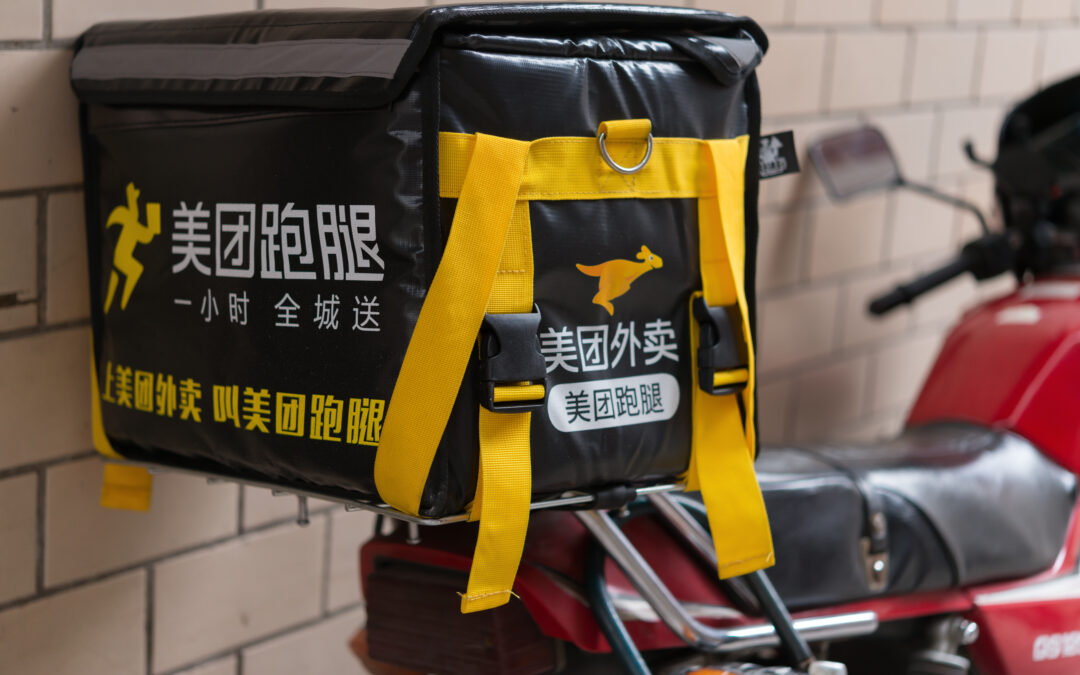
However, not all markets have achieved this equilibrium. China’s food delivery sector illustrates how consolidation can prove surprisingly unstable when well-funded competitors decide to disrupt established hierarchies. Meituan, long the dominant player, saw its operating profit in core local business plunge by over 75 percent in a single quarter earlier this year as JD.com and Alibaba launched aggressive subsidy campaigns.
This reveals a critical distinction between markets. While Western platforms compete primarily on service features within established fee structures, Asian markets can experience sudden eruptions of subsidy warfare that fundamentally alter economics overnight. Restaurants in volatile markets face not just high commissions, but radical uncertainty about order values and platform strategies that can shift dramatically quarter to quarter.
The contrast is striking: a restaurant operator in Chicago or London faces relatively stable, if unfavorable, platform economics, while a counterpart in Beijing or Jakarta may see average order values collapse suddenly as platforms prioritize market share over profitability.
Consumer experiences similarly vary depending on the maturity of the market. In consolidated Western markets, the promotional offers that characterized earlier competitive phases have largely disappeared, replaced by relatively stable pricing structures.
Regulatory approaches reflect market conditions. European authorities have implemented commission caps and worker classification rules in response to established platform dominance. Chinese regulators have intervened to curb “disorderly competition,” attempting to prevent destructive subsidy wars.
The consolidation of food delivery platforms has produced divergent outcomes across global markets. Western markets have settled into a challenging equilibrium where high fees and limited competition are predictable burdens. Asian and many emerging markets face more fundamental volatility, where platform strategies can shift radically based on competitive pressures. The Middle East is somewhere in-between.
For restaurants, the challenge increasingly depends on managing steady margin compression in stable markets, or navigating radical uncertainty in volatile ones. As the industry continues to evolve, the question is whether volatile markets will eventually mature into Western-style stability, or whether they represent an alternative competitive model where periodic disruption remains the norm.