Now that robot kitchen arms are capable of producing multi-course meals autonomously and automated food-dispensing machines occupy airport hubs, it may feel like the future of restaurant technology is already upon us. According to recent market forecasts, though, the era of fully automatic restaurants is merely in its infant stages compared to the massive growth predicted over the next eight years.
The fully automatic restaurant market was valued at $1.9 billion in 2024, according to Dec. 8 insights from Data Horizzon Research. The industry is poised to transform over the coming decade, with a compound annual growth rate of 14.8 percent expected to drive the total market to $6.7 billion by 2033.
A 2025 fully automatic restaurant market report from Lucintel made a similarly confident prediction about a wave of tech adoption headed for commercial kitchens worldwide. The Dallas-based consulting and research firm forecasted 13.7 percent compound annual growth through 2031.
Regarding the primary drivers of automated restaurants, the Lucintel analysis identified increasing demand for contactless dining experiences, the rise in robotics adoption in kitchens and a growing preference for service solutions.
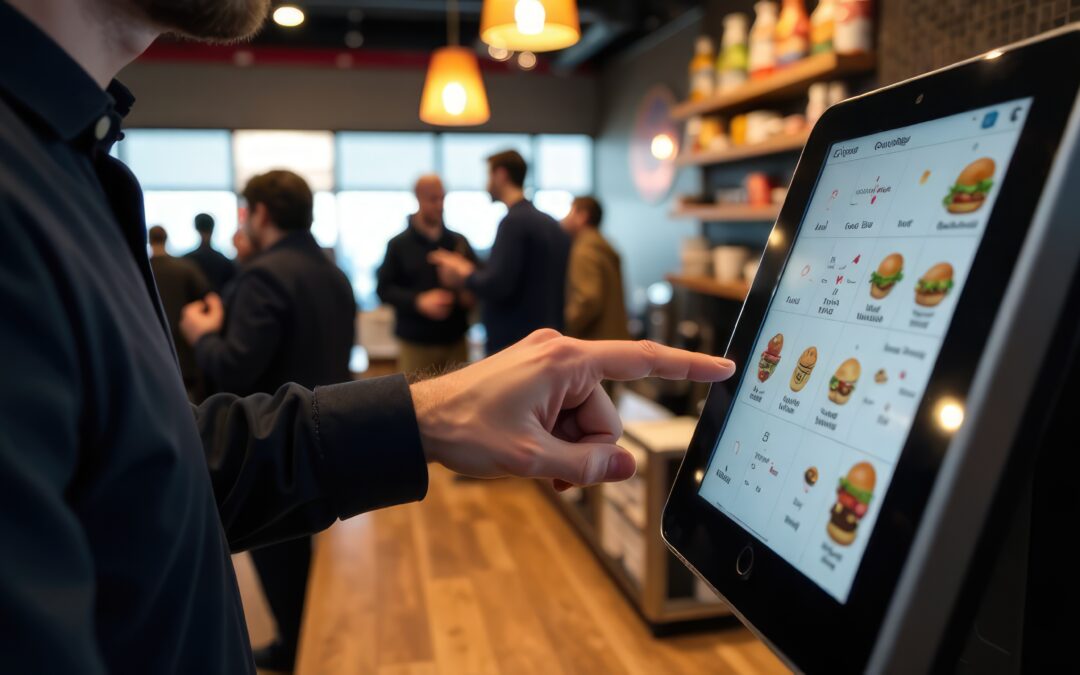
Next-generation restaurants with robot chefs leading self-operating kitchens, automatic food kiosks and AI-driven customer service chatbots are changing the landscape of how food is prepared, delivered and, ultimately, experienced by consumers. Data Horizzon Research shared that such technological advances minimize human intervention while maximizing crucial factors like accuracy, consistency, hygiene and operational efficiency.
Data Horizzon Research’s forecasts listed cloud kitchens and fast-food chains as leading adopters of autonomous restaurant technologies. North America leads the market with substantial investment in food robotics, rising labor costs encouraging automated solutions and quick-service restaurant chains exhibiting early technology adoption. Predictions classified the European market as progressing steadily, with sustainability-focused kitchens turning to automation to reduce waste and improve efficiency.
In contrast to that analysis, Luncintel reported the Asian Pacific region as the favorite to witness the highest growth through 2031. Within the application category, Chinese restaurants was predicted to see higher growth than other sectors. Names such as Robochef, Woowa Brothers, Brightloom, Caliburger and Cafe X are among the major players in the fully automatic restaurant market.
Consumers are likely to get their first glimpse of automated eateries at popular QSR brand locations, university cafeterias, and airport food courts, as Data Horizzon Research included those as pioneering spots for the market. Still, interest in automation is gaining momentum across fine-dining and theme-based restaurants. The hospitality industry is anticipated to adapt in the coming years as autonomous kitchens and customer service robots shift from experimental initiatives to commonplace efforts.
Younger generations — which broadly favor fast service, transparency and novelty areas where automation thrives — are expected to be among the demographics helping usher the next stage of technology into restaurants with their preferences. According to Data Horizzon Research’s findings, robot systems benefit high-volume outlets by sustaining continuous operation without fatigue, leading to fresher output and fewer service delays throughout busy hours.
If market forecasts come to fruition, automated restaurants could become a global standard as opposed to the futuristic approach to foodservice that they still represent today.