Contributing editor, Peter Backman, is a long-term foodservice sector guru and founder of theDelivery.World, a platform that connects the delivery sector and makes sense of the myriad changes and challenges that affect the sector across the globe.
Restaurant delivery platforms around the world follow strikingly different business models. In Asia, delivery is typically embedded within broader e-commerce ecosystems: Meituan in China operates across food, hotels, and local services; Grab and Coupang in Southeast Asia span payments, ride-hailing, and retail. Elsewhere, Uber Eats and Bolt Food run delivery as extensions of ride-hailing networks, leveraging existing driver fleets.
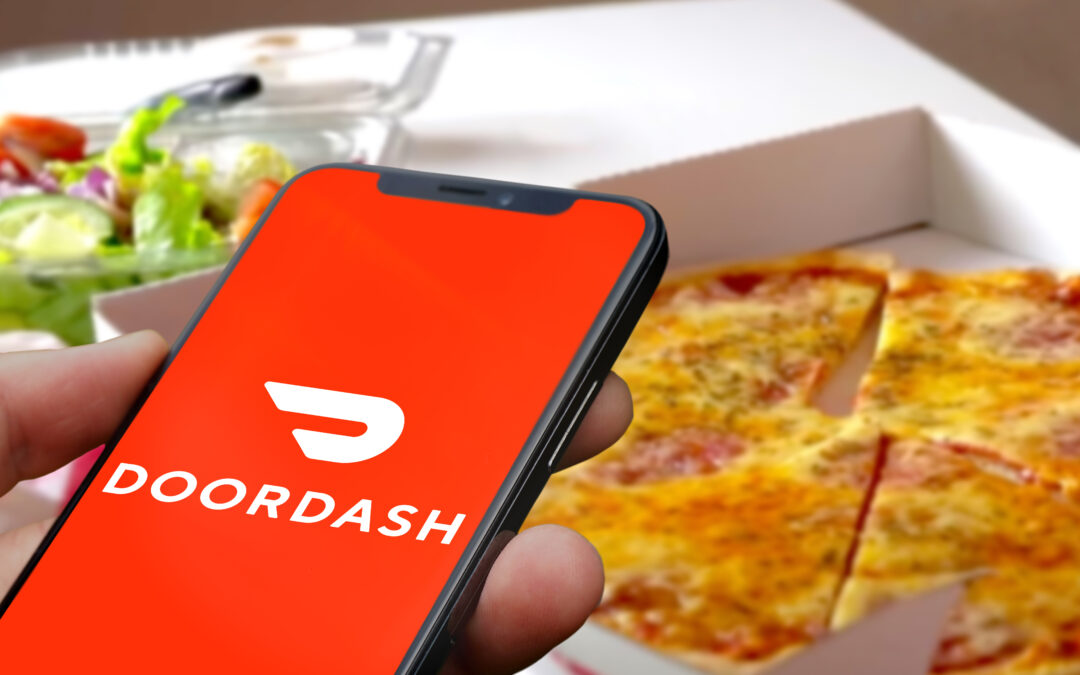
But the model that built the industry in America and Europe is different. The pure-play platform – pioneered by DoorDash, Delivery Hero, Just Eat Takeaway, and Deliveroo – connects consumers with merchants, manages the transaction, and handles last-mile logistics. This model has reached a significant level of sophistication, and DoorDash’s £2.8 billion ($3.6 billion) acquisition of Deliveroo – adding 800,000 daily orders across the UK and other European and Middle Eastern markets – provides a casebook study of what that involves.
For consumers, the most immediate change will likely be subscriptions. DashPass counts 26 million US subscribers – 56 percent of active users – and that playbook will probably be exported to Deliveroo Plus through restructured tiers, aggressive trials, and bank partnerships. Then comes advertising. DoorDash’s ad business crossed $1 billion in annual revenue in 2024. That infrastructure – sponsored listings, brand-funded promotions, offsite advertising powered by the Symbiosys acquisition – will likely be layered onto the Deliveroo app.
For restaurants, DoorDash’s Commerce Platform will likely land in the UK, offering branded websites and integrated loyalty programs. For independents lacking digital presence, this is a genuine upgrade. For mid-market chains, it is strategically dangerous: compelling infrastructure that creates deep platform dependency. As subscriber penetration rises, eligibility for that high-frequency customer base could become a gatekeeping mechanism tied to commission tiers, and advertising could emerge as a new cost layer on top of existing commissions.
DoorDash’s recent acquisition of SevenRooms reservation platform adds another dimension: the ambition articulated by DoorDash extends beyond delivery to encompass the entire customer relationship – dine-in reservations, CRM, marketing, and loyalty – unified under one roof. The pattern echoes Amazon, transposed to local commerce and will no doubt be added to Deliveroo.
And it illustrates a broader truth about the pure-play model: without the ride-hailing foundation of an Uber or the retail ecosystem of an Amazon, the path to growth runs vertical – deeper into the merchant relationship – rather than horizontal. That is a powerful strategy. It is also one that Deliveroo’s restaurant partners in the UK, Ireland, France, the UAE and other countries need to understand before DoorDash’s US-honed playbook arrives on their doorstep.