As the cost of living rises and consumers see general price increases across sectors, many Americans are tightening their restaurant spending in 2026.
According to a 2026 consumer analysis from McKinsey and Company, value and pricing are top of mind for the public amid broader food cost inflation. That pressure is seen in restaurant ordering behavior, as menu and takeout prices outpaced grocery prices over the last two years.
If that gap continues to widen, according to the McKinsey analysis, consumers may perceive less value in dining out relative to the costs, adding pressure to restaurants already navigating higher input expenditures and shifting demand.
For U.S. consumers who reported planning to reduce their restaurant spending, most aimed to cut back on per-visit spending, with nearly three-quarters stating they would decrease it by up to half.
With value posing such an important factor for American consumers, Food On Demand heard from three industry experts regarding the brands with recent initiatives that best position them for the cost-conscious shift in consumer habits.
Question: Which restaurant brand has taken the most impressive approach to enhancing its value menu thus far in 2026? What makes their initiatives stand out?
Jennifer Meyers

Jennifer Meyers is the managing director at A&MPLIFY by Alvarez and Marsal, the consumer and retail group behind guest behavior research, including the annual Crave Report Consumer Study.
Answer: “While many restaurant brands are relying on deep discounting to capture share of stomach — often 30 to 40 percent in
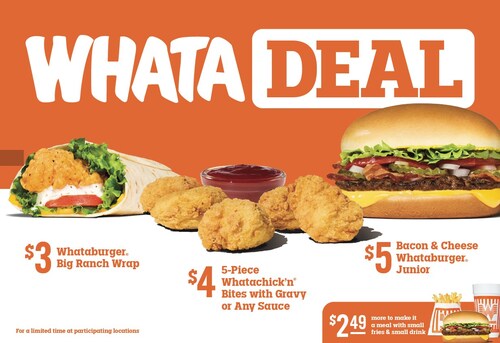
Whataburger’s WhataDeal value initiative launched Jan. 5, offering the brand’s Big Ranch Wrap, Whatachick’n Bites and Bacon and Cheese Whataburger Jr. for $3, $4 and $5, respectively.
quick service restaurants — Whataburger has taken a more disciplined path with their ‘Three Big Deals,’ limiting discounts to about 4 percent. Rather than cutting prices on core menu items and risking long-term price anchoring, the brand has leaned into ‘new-to-you’ off-menu junior items.
This approach allows Whataburger to deliver on value without eroding the integrity of its core menu pricing.
At the same time, it introduces customers to a broader set of offerings, effectively turning value into a discovery mechanism for future favorites.
In a landscape where many brands are trading margin for traffic, Whataburger stands out by balancing near-term value with long-term brand and pricing power, making it one of the most thoughtful and sustainable strategies in the market today.”
Stephen Zagor:

Stephen Zagor is a professor in food and restaurant businesses at Columbia Business School and New York University. A former restaurant group owner, he also consults with industry companies developing new concepts or fixing and repositioning existing businesses.
Answer: “We have a news hangover: ‘gas pains,’ from jump(s) at the pump; food prices microwaving our incomes; and (an)
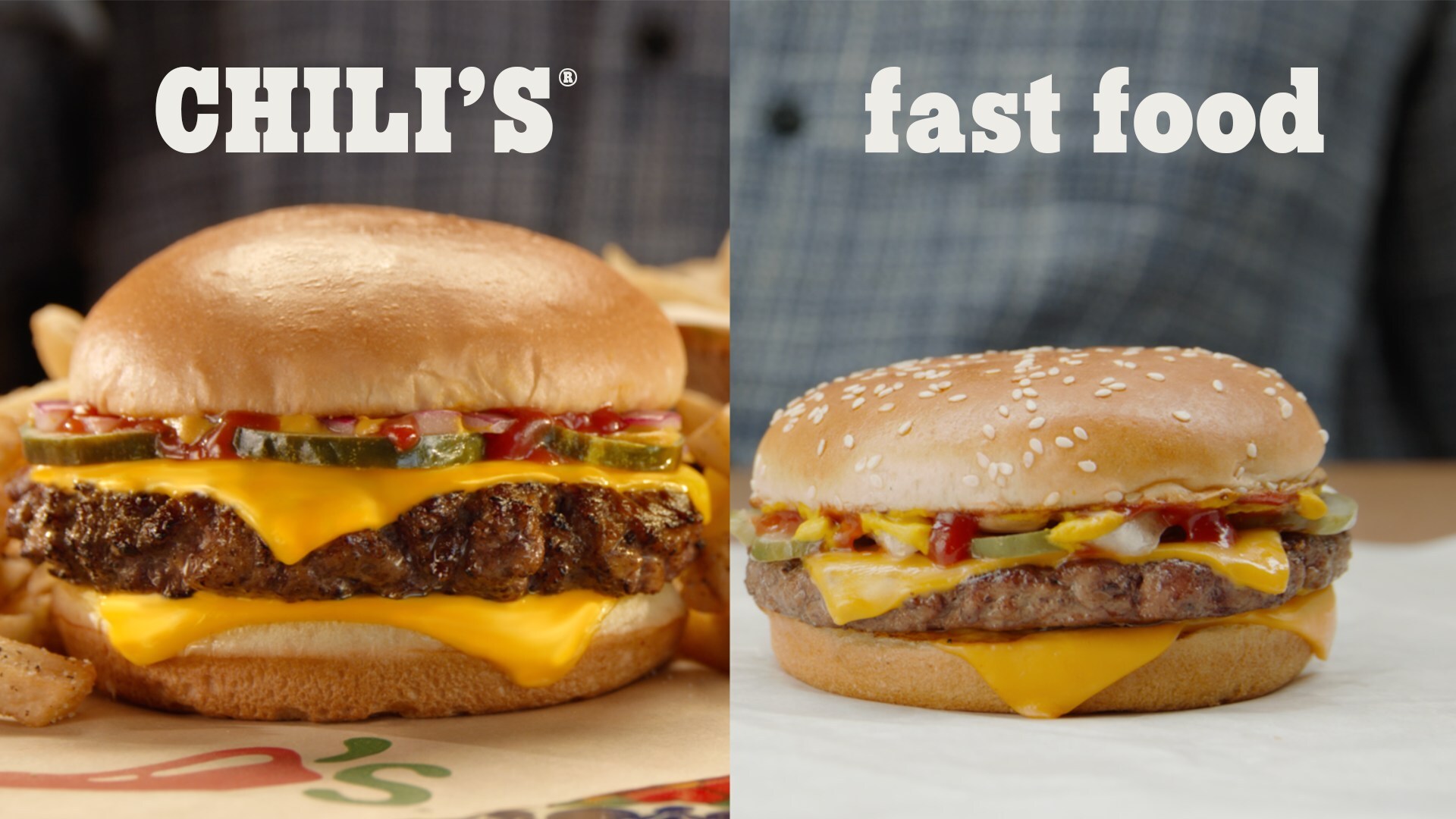
Chili’s Grill & Bar took what it described as “another swing at fast food” late last year when it updated its 3 For Me menu, adding a quarter pounder with cheese.
unstable economy of turbulent nausea. Hold on to your wallet. Fear equals fickleness. Dining hates economic difficulties. Result: Value is center of the plate.
And then there was Chili’s — always there but unnoticed. It’s something special now, a filling offer: ‘3 for Me.’ A drink, then chips and salsa (and) an actual entree — burger, chicken crispers — something with weight, presence, purpose. Chili’s is a full experience. It doesn’t feel cheap. Cheap feels like a compromise. Not just save money, (but) victory. And then comes upgrading because it feels reasonable.
Chili’s is not a value menu. It’s a value experience — full, sit-down, served, (but) priced like something normally eaten in a car. And that’s why it works and continues to (in) 2026. Chili’s didn’t try to win the value war by being cheaper. They won it by making everything else feel slightly expensive.”
Leslie Rich

Leslie Rich is a research solutions expert at Alchemer, where she leads and develops the company’s new full-service custom research solutions business. Before joining Alchemer, she managed client accounts in quantitative market research.
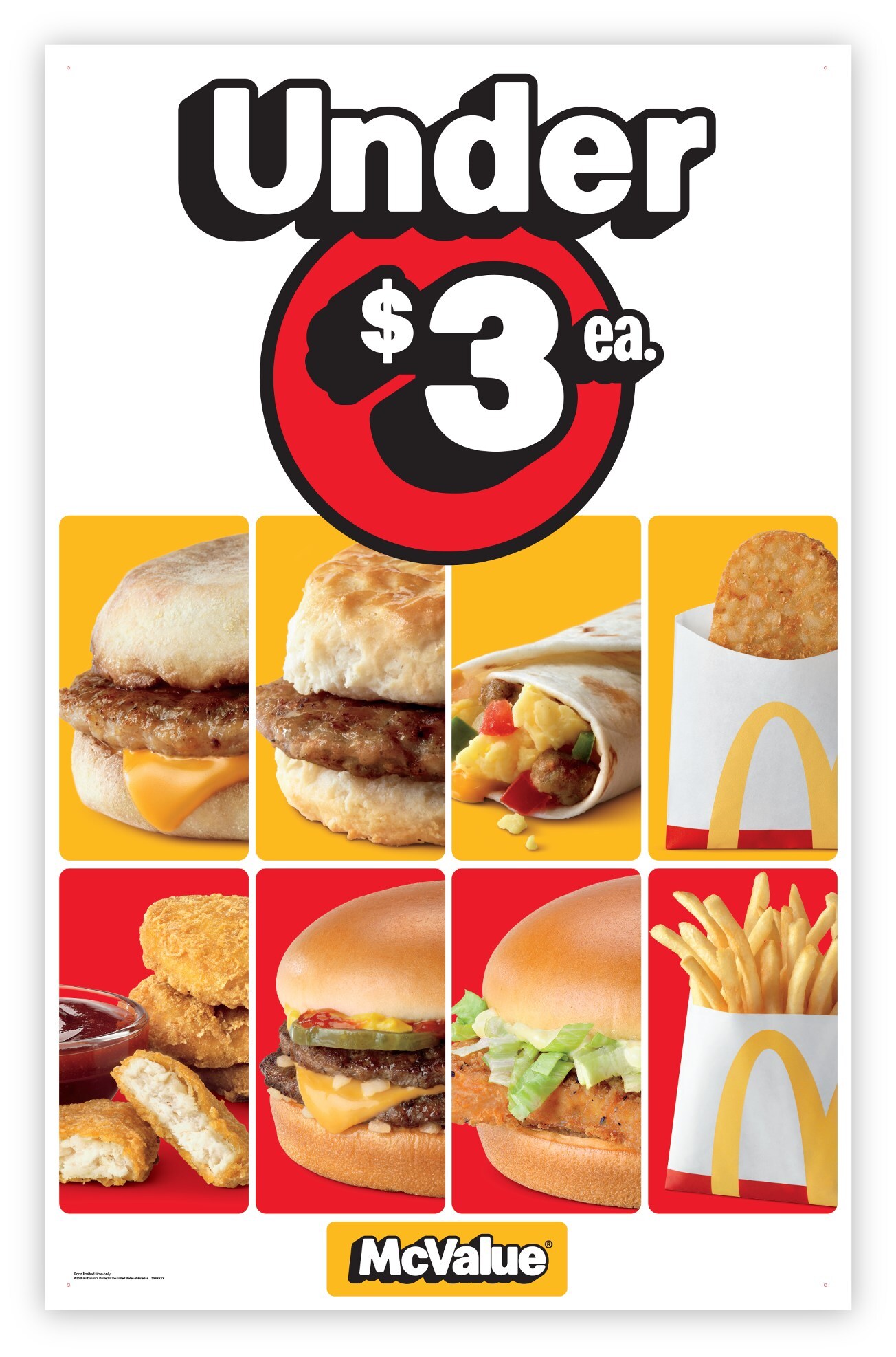
McDonald’s revamped its breakfast value offerings in early April with a new Under $3 Menu and a $4 Breakfast Meal Deal alongside the brand’s existing Meal Deals.
Answer: “McDonald’s stands out for redefining value as a dynamic, data-driven experience rather than a static dollar menu.
Drawing on insights from Alchemer’s latest QSR research report, the brand’s approach reflects a deeper understanding of the cost-conscious diner, balancing affordability, personalization and perceived value.
As an example of that, McDonald’s announced that, starting April 21, it’s offering customers more choice and flexibility with a new ‘Under $3 Menu’ and a ‘$4 Breakfast Meal Deal,’ in addition to deals already offered.
This should land well with consumers who prioritize deals above all else. If McDonald’s can extend point redemption timelines, it could solidify its positioning as a top loyalty program.”