Restaurant executives and marketing leaders said winning the digital guest now requires more than promotions alone, pointing to the growing importance of operational execution, targeted offers and packaging.
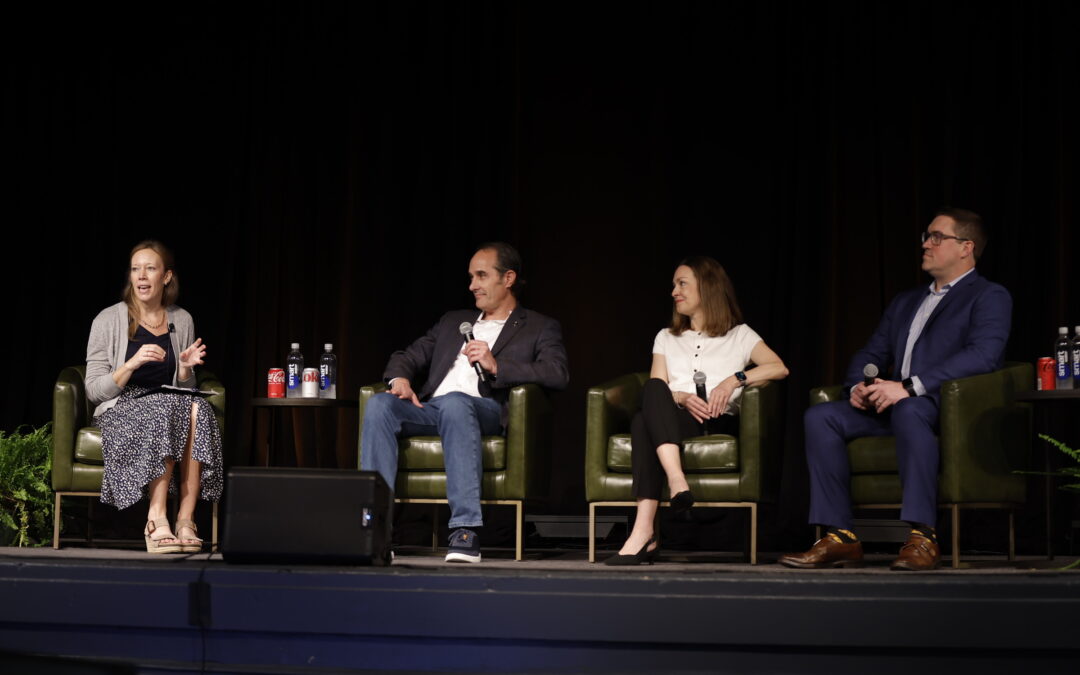
Laura Michaels, editor in chief of Franchise Times, moderated a panel discussion on the topic at the 2026 Food On Demand Conference in Dallas. Panelists included Anthony Gianino, senior vice president of marketing at KBP Brands; Lori Primavera, vice president of research and development and product marketing at Smoothie King; and Tony Bandanza, head of U.S. and Canada restaurant advertising business for Uber.
Bandanza said consumer behavior has shifted dramatically in recent years, with ordering decisions happening in real time. He described digital ordering platforms as “the new front door.”
“Two-thirds of folks that are going to these apps don’t know what they want to eat,” he said. “They’re in the moment.”
Bandanza said third-party marketplaces have become a new discovery channel for restaurants.
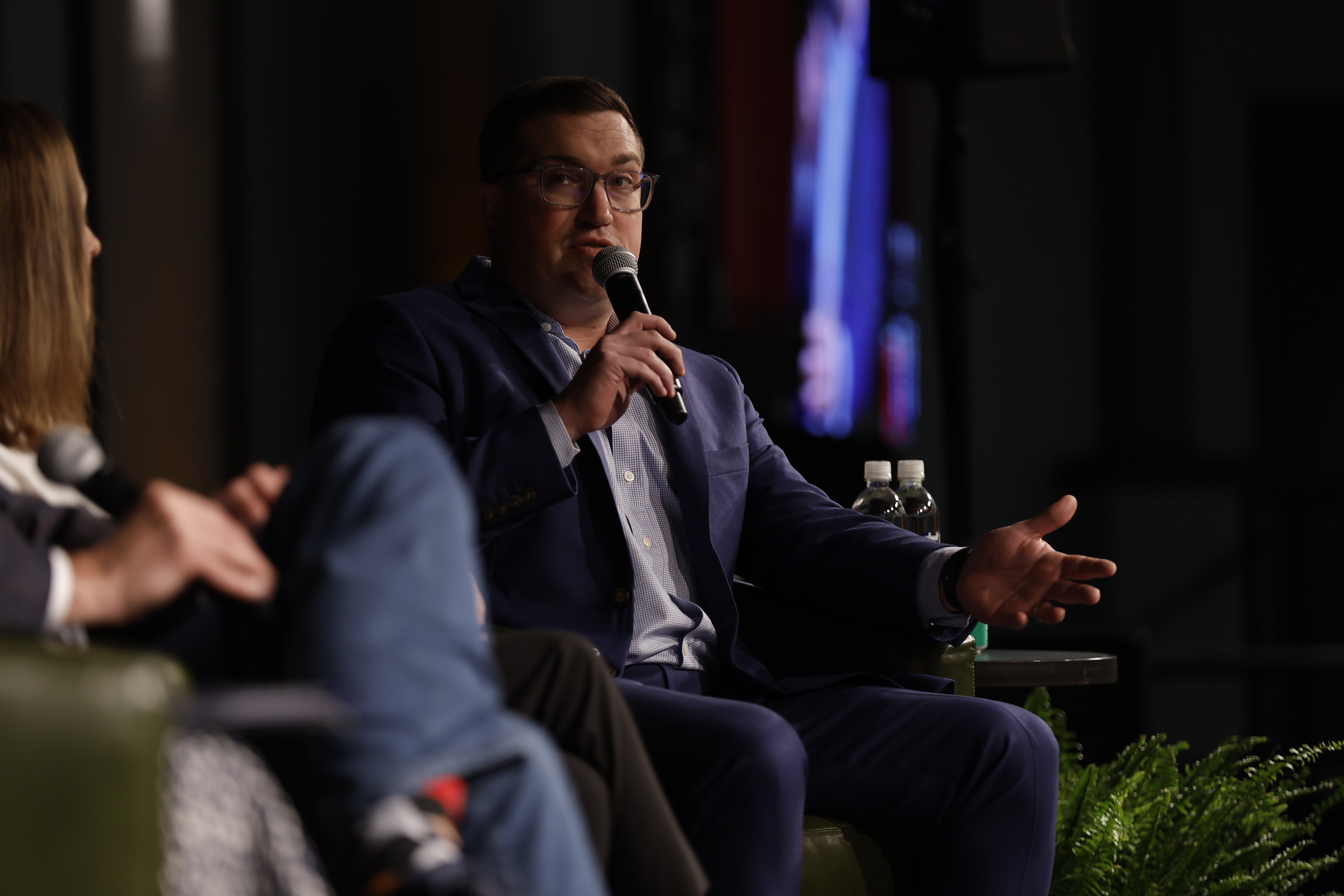
Tony Bandanza, head of U.S. and Canada restaurant advertising business for Uber.
“When I was younger, my first experience with these big brands was the iconic Pizza Hut roof,” Bandanza said. “It was the buffet. I was walking on the street. Now it’s happening via creative imagery. How does that show up to your house? Is that food delicious? That’s kind of that new first impression.”
For KBP Brands, which operates more than 1,100 KFC, Taco Bell, Arby’s and Sonic Drive-In locations, Gianino said the growth of off-prem ordering has fundamentally changed restaurant operations.
Before COVID-19 Gianino said, about 80 percent of sales came through the drive-thru and “basically zero percent” came from digital channels. As drive-thru mix shifted closer to 50 percent and off-prem ordering grew, operators had to make changes.
“You had to completely change how you staff the restaurants, how you lay out the restaurants,” Gianino said. “Everything changed for us.”
For marketing, KBP continues to shift local spend away from print and toward DoorDash and Uber Eats campaigns, where returns on investment are easier to measure.
“We have yet to run a campaign on Uber Eats and DoorDash that didn’t show a profitable sales impact,” he said.
KPB uses randomized testing and incremental analysis to determine whether campaigns are driving new sales.
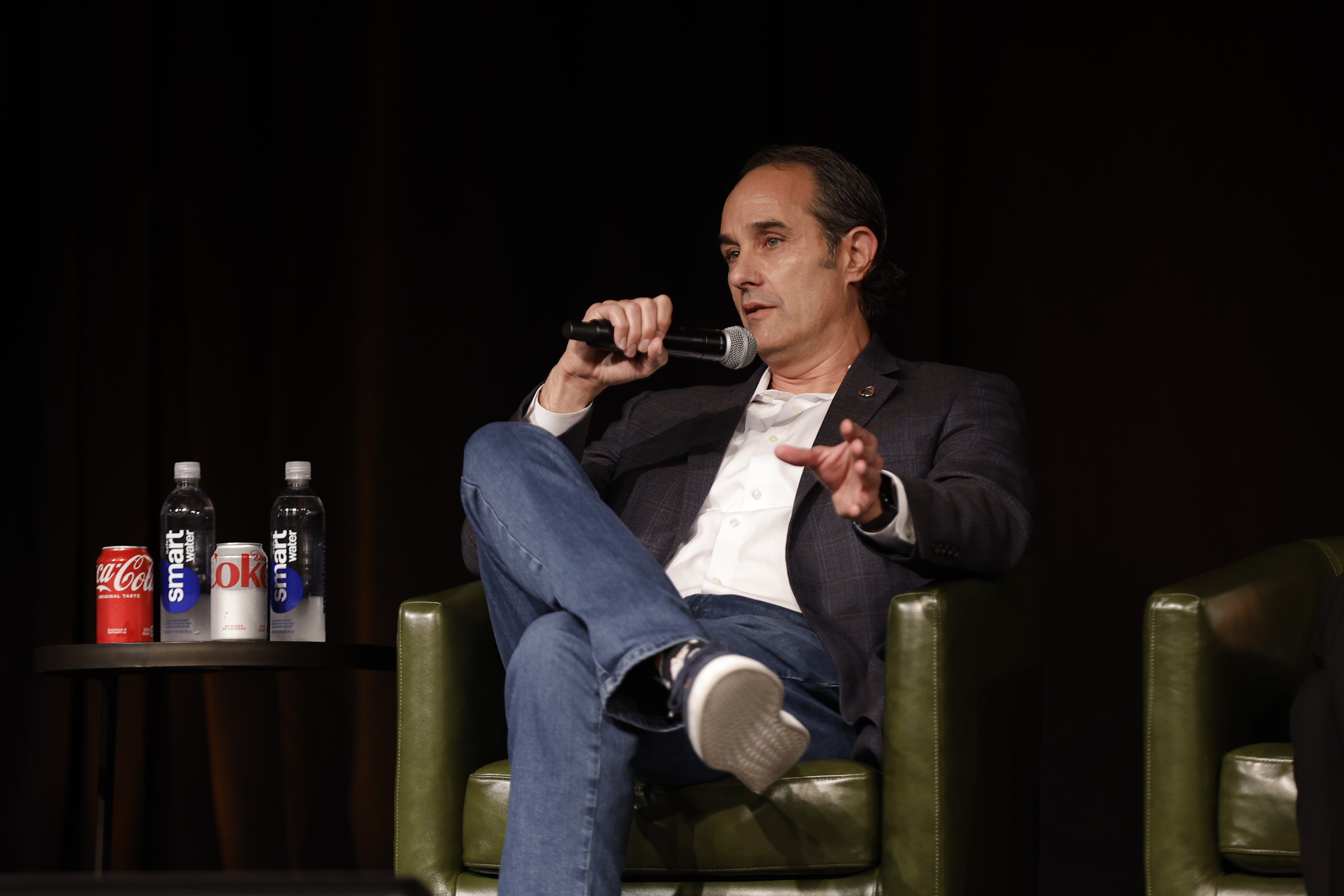
Anthony Gianino, senior vice president of marketing at KBP Brands.
While value remains important, Gianino said digital ordering has changed how brands think about menu strategy and promotions.
“What you’re seeing now is more of that Taco Bell approach,” Gianino said, referencing bundled value offers. “You get a whole lot of food for a certain value.”
He added that digital ordering channels are especially important for legacy brands looking to reach younger consumers.
“What we know at KFC is, if we don’t age down, the brand’s going to be out of business in 10 years,” Gianino said.
At Smoothie King, Primavera said the brand has focused heavily on ensuring products hold up during delivery.
The chain invested in Vio biodegradable foam cups to keep smoothies colder longer during transport, while many stores added coolers near pickup areas for digital and third-party orders.
“As we’re developing products, the packaging and how the delivery of the product will be now that we have food, we take all that into consideration,” Primavera said.
Smoothie King has used its Healthy Rewards loyalty program to drive digital engagement through app-exclusive menu items, early product access and limited-time offers.
“We want them to feel valued,” Primavera said. “We want them to use the app. We want them to be members.”
The brand even tested app-exclusive smoothies unavailable to guests ordering in-store.
Packaging repeatedly surfaced as a major opportunity for restaurant operators.
Gianino said many restaurants still treat delivery packaging as an afterthought.
“There are a lot of times I get food delivered, and you can tell it’s a place that basically acted like you were a carryout customer — put some tape on the bag and gave it to the Uber Eats driver,” he said.
He said packaging should function both as a quality tool and a branding extension.
“I would like those bags to be a great ad for the brand,” Gianino said.
“It’s one of the key differentiators that I think oftentimes gets overlooked,” Bandanza said.
The 2026 Food On Demand Conference wrapped up Wednesday, May 7, at the Renaissance Dallas Addison Hotel.