Asian beverage culture has seeped well into mainstream America, proving an industry-shaping force rather than a fad as the number of U.S. boba tea shops continues to tick upwards after years of growth.
The U.S. bubble tea store count reached 11,162 as of April 1, according to industry-wide data from Smartscrapers. Of those, 59.4 percent are single-owner operations, while the remainder belong to larger brands like Gong Cha, Kung Fu Tea and Sharetea.
America’s growing taste for Asian beverages is shaping broader trends in third-party delivery orders, according to Kitty Lu, director of public affairs for U.K.-based delivery platform HungryPanda.
“The beverages are increasingly becoming a standalone purchase rather than just an add-on to the meal,” Lu said, citing a trend she says started in China and expanded globally. …“Now, as all these companies (offer Asian beverages) and all these promotions go with it, the customer behavior starts to change. That created more of an afternoon-tea snack time. During that time, people prefer to buy bubble tea by itself.”
The number of boba tea shops by state is closely tied to overall population, as the three most boba-dense states are among the four most populous: California with 2,722 shops, Texas with 1,269, and New York with 916.
“The trend has been shifting in regard to flavors,” Lu said. “The first batch of bubble tea (shops) that actually came up was more like Gong Cha or the Taiwanese brands that mainly focused on just flavored tea. Then (trends) shifted to fruit teas, and now there is more lightened milk tea with bubbles and all these different contents in the tea by itself.”
The U.S. bubble tea market value was $523 million in 2025, projected to reach $560 million this year and exceed $974 million by 2034. According to numbers from Market Data Forecast, much of that growth is driven by the rising popularity of customizable beverages, consumer preferences for experiential food and drink options, and the influence of social media trends.
Gong Cha, which operates more than 240 U.S. locations and recently reported it is on track to reach 500 shops across the Americas by 2028, is among the most prominent U.S. bubble tea brands. On the brand’s website, the company cited the social media platform TikTok as a critical means of spreading awareness of and popularity for boba among younger consumers.
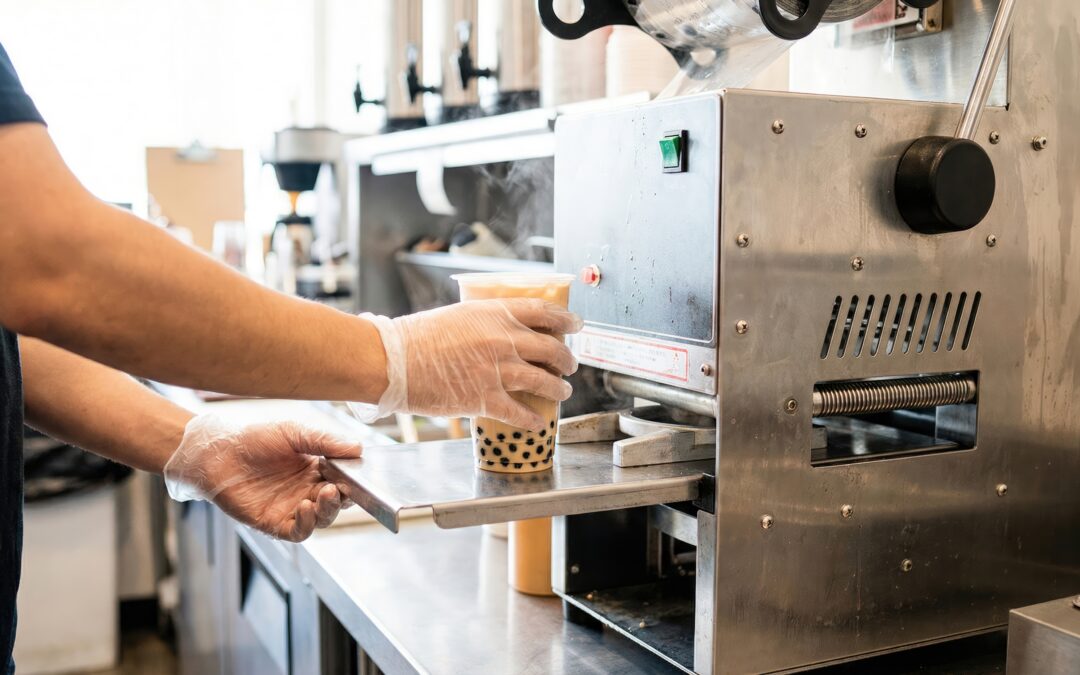
Delivery-friendly packaging plays a particularly important role for operators selling boba tea and related beverages, according to Lu. Cups and carrying bags are designed to prevent leaks and maintain temperature in transit.
“Packaging is very important,” Lu said. “All these cups have been developed and customized in accordance with the customer’s needs at the moment. For the top lid of the bubble tea cups, there are so many different kinds: tea only, the ones with pearls in it, hot drinks, cold drinks — all these (types of) packaging are different. With the holding bags, they actually make them thermal friendly, and also with a single cup packaging.”
Bubble tea is particularly easy to personalize and customize, which Lu cited as a trend that has increased sales for many operators. That same trait makes bubble tea prime for operators to roll out limited-time offers.
With industry leaders identifying the non-alcoholic beverage category as a crucial revenue driver for restaurants, Asian beverage culture is poised to continue influencing order trends in coming years.