Not all third-party delivery platforms need to be at the scale of the big players, but leaders of those less prominent companies in the space said the impact still has to be large.
That was the message from a panel of representatives from the delivery industry at the 2026 Food On Demand Conference earlier this month in Dallas. Moderated by Peter Backman, founder of theDelivery.World, the session centered on how channels beyond the likes of DoorDash, Uber Eats and Grubhub compete in an evolving landscape.
The panel featured Cartwheel CEO and co-founder Alex Vasilkin, Favor Delivery vice president of revenue and support Zach Nienow, and Fantuan Delivery co-founder Yaofei Feng.
In his comments, Feng shared how Fantuan, launched in 2014, operates in the United States, the United Kingdom and Australia, with a customer base of mostly first-generation immigrants and international students.
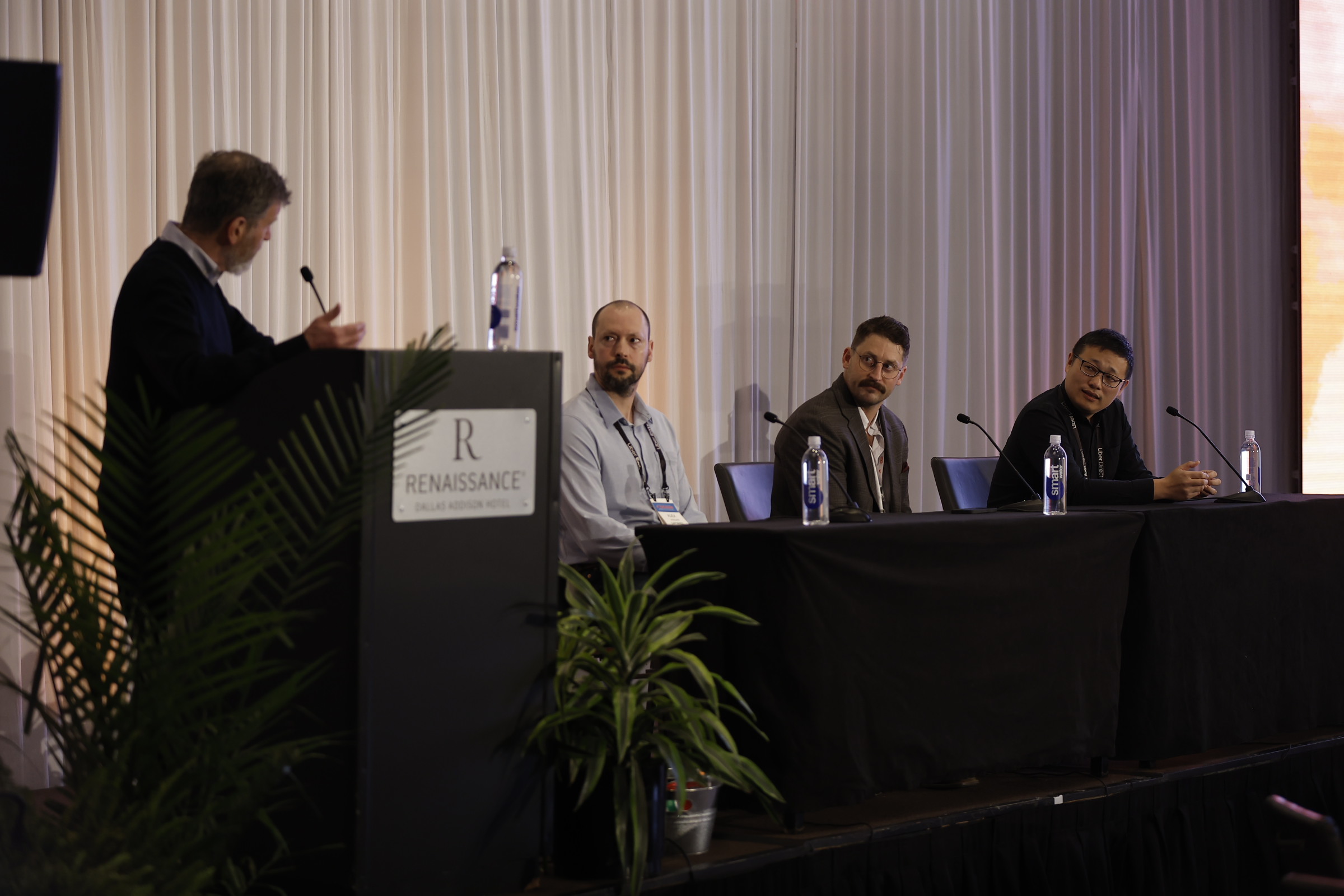
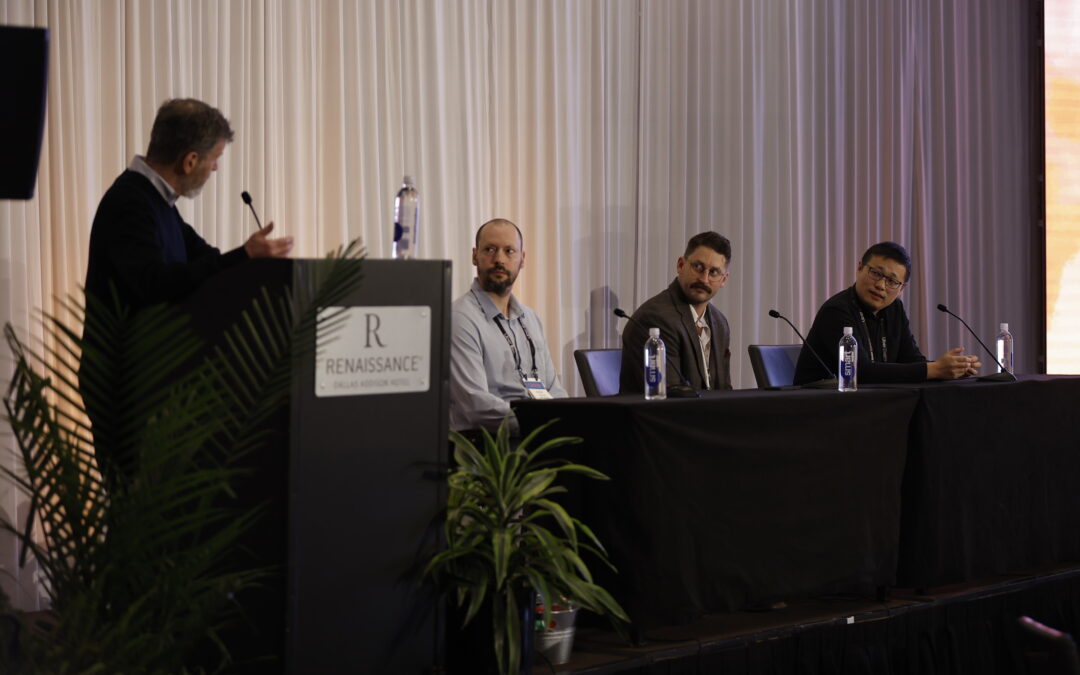
Pictured left to right: Peter Backman, founder of The Delivery World, moderated a session featuring Alex Vasilkin, CEO and co-founder of Cartwheel; Zach Nienow, vice president of revenue and support at Favor Delivery; and Yaofei Feng, co-founder of Fantuan Delivery.
While larger companies have taken a significant market share in that space, Feng said Fantuan has found its footing by building its infrastructure on what he called a community basis.
“When we partner with a restaurant, and we’re approaching them, it’s in a unique way because we speak the same language,” Feng said. “Usually, they are a small business, with just a single unit, and most of the time it’s a husband-and-wife-operated company. They become exclusive on our platform, and we saw that as a way to take a very good position.”
Favor Delivery, meanwhile, was founded in Texas and keeps its delivery and food ordering operations entirely within the Lone Star State. Founded in 2012, the company is now owned by the San Antonio-headquartered grocery store chain H-E-B, which Nienow said gives them density within Texas.
“Operating in one state allows us to be very agile,” Nienow said. “When you start talking about things like alcohol or prescriptions, we only need to figure it out for one state with regulations. Then, the big guys will come in and figure out how they can put together that complex map, and we’ll do the next thing that we’re fast at. We’re going to continue to bob and weave.”
Unlike the other two panelists, Vasilkin’s company isn’t a delivery concept. Rather, it assists restaurants in managing delivery operations with technology in the U.S., U.K. and Canada. Originally an operator himself, Vasilkin said one thing he did well as a restaurateur was the delivery aspect, and he applied that experience when developing software to help other brands.
“We are an orchestration layer for delivery operations at restaurants,” Vasilkin said. “I think our defensibility is that we work with all different partners. We don’t have a bias toward certain delivery providers. It’s kind of a Switzerland approach, because we integrate orders from different places or first-party tools, and then send orders to either first-party drivers or multiple delivery fleets.”
For those who have to directly compete, on the other hand, Nienow said it’s a battle of selection.
“How do you make sure your selection stays unique, and build a mode to protect your selection you can’t get elsewhere?” Nienow said. “We have to push that boulder up the hill every day because restaurants are opening and closing every single day. The internet is also limited in how many menus they actually have on there. So, we do a combination of internet scraping while having a human content team going out into cities and finding menus.”
Engaging with those using the platform is also critical, Nienow said. That means treating the diners as a shared customer with the restaurant, resulting in a stronger partnership.
“There are things the restaurant can do that will impact the customer’s perspective of Favor, and there are things we can do that impact the customer’s view of the restaurant,” Nienow said. “So, I try to review all of our customers through that lens. I pull about 20 customer interactions at random every two weeks to see if there are any recurring themes happening, and I’m going to reach out if there are to see what we can do better.”
Feng said for Fantuan, it’s also important to be open to expanding capabilities if customers are looking for additional needs.
“We have the opportunity to not only deliver food from restaurants, but also groceries, and Asian groceries can be totally different,” said Feng, who said their app can also provide lifestyle services such as completing errands for users.
Maintaining good relationships with the businesses through methods of efficiency is another important factor Nienow mentioned. This ranges from running delivery-specific menus that have higher margins, or partnering to split fund promos to drive more orders.
The 2026 Food On Demand Conference wrapped up Wednesday, May 7, at the Renaissance Dallas Addison Hotel.