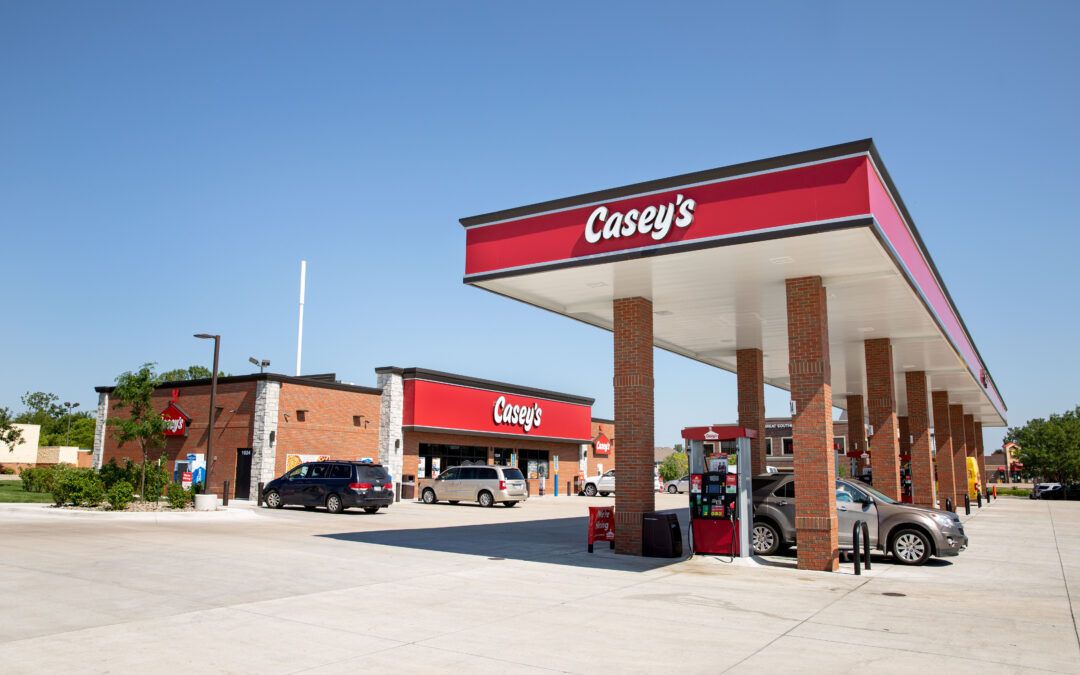
Iowa-based Casey’s General Store, the nation’s third-largest convenience retailer and fifth-largest pizza chain, unveiled a new three-year strategic plan in late June, with investments in technology and made-to-order food offerings as core components of its growth ambitions.
Casey’s positions itself as maintaining a “convenience QSR model,” with all retail locations operating as company-owned units and two-thirds of stores serving communities with populations of 20,000 or less, according to June 24 data from Casey’s.
The brand significantly scaled its foodservice operations over the last three years, growing its rewards program by 60 percent to surpass 10 million users. Additionally, investments in its online ordering platform reduced the minimum number of clicks to order a pizza from 11 to three, and Casey’s expanded delivery to 2,000 units — with delivery orders up 30 percent this fiscal year alone.
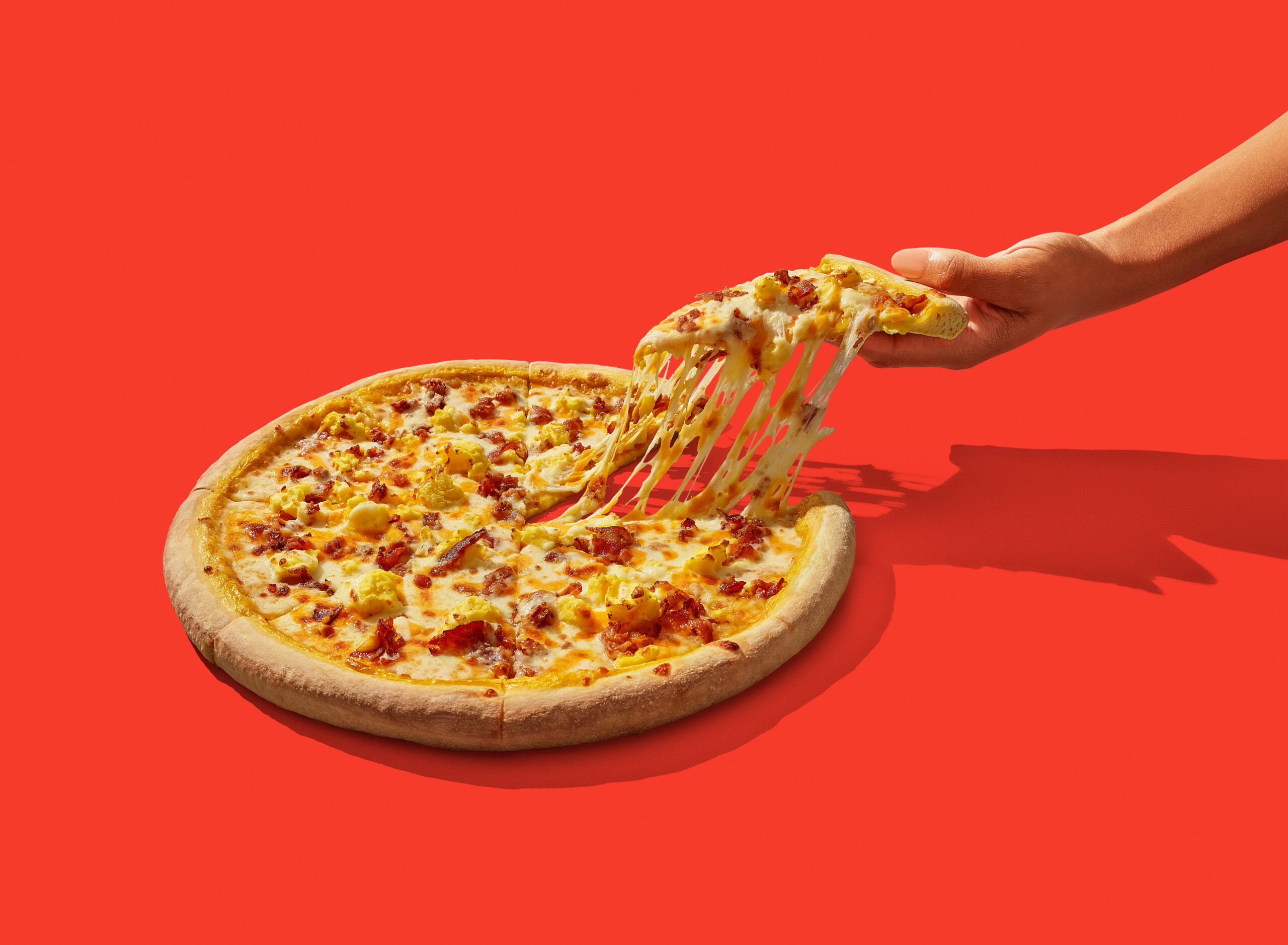
Casey’s General Store, the nation’s fifth largest pizza chain, boasts over 11 million users for its loyalty program, Casey’s Rewards.
Tom Brennan, Casey’s chief merchandising officer, described accelerating the brand’s food and beverage operations as the center of the company’s new three-year growth strategy and a key differentiator among competitors.
“Prepared foods and nonalcoholic beverages are driving strong inside sales, and we’re continuing to build on the loyalty we’ve earned through our more than 40 years in the pizza business with new offerings like wings and fries,” Brennan said in a June 24 press release. “In Des Moines, where wings have been available for more than a year, sales are up 20 percent year over year, reinforcing the significant opportunity we see as we expand the platform across our nearly 3,000 stores and further establish Casey’s as a food destination.”
Digital sales are driving growth for Casey’s, with digital channels seeing 18 percent compound annual growth rates over the last three years. DoorDash is delivering sales for the convenience brand, displaying 48 percent year-over-year growth as a channel.
“We’re intentional about how we invest in technology, focusing on solutions that improve the experience for our guests while enabling our teams to operate more efficiently,” Ena Williams, Casey’s chief operations officer, said in a press release. “Whether it’s using AI to help improve forecasting and inventory planning, redesigning kitchens to help team members prepare more food with less friction, or enhancing digital tools like our app and Casey’s Rewards, we’re investing in practical innovations that improve efficiency, strengthen guest experience, and support long-term growth.”
Casey’s new three-year strategic plan showcases goals to add at least 400 units between new-store development and strategic acquisitions. As of late June, the company operated about 3,000 stores across 19 states — more than 500 of which joined the portfolio within the last three years. Additionally, the brand is expanding its digital ordering offerings to include liquor, wine and nicotine options where permitted.
Casey’s is not the only retailer seeing a surge of momentum in the food-focused convenience store space. Texas-based Buc-ee’s, which boasts in-store ordering kiosks alongside grab-and-go offerings, saw 14.89 percent year-over-year revenue growth, according to June 23 reporting from Inc. Additionally, 7-Eleven recently revealed plans to remodel about 7,000 locations into a food-focused format by 2030, according to a May 18 report from C-Store Dive.