The U.S. drone industry may get a big leap forward.
The Federal Aviation Administration (FAA) has released a draft of Part 108. This long-awaited rule would allow drones to fly Beyond Visual Line of Sight (BVLOS) without needing to constantly apply for special waivers. It could become law as early as next year.
What’s changing

Robin Riedel, executive vice president, transformation & future mobility at Metropolis Technologies.
Right now, any drone flight beyond what an operator can physically see requires a special FAA waiver. That process is slow and complex.
Part 108 introduces a standardized, reusable framework.
“What this does is it turns a process today beyond visual line of sight operations away from exemptions into general law,” says Robin Riedel, executive vice president, transformation & future mobility at Metropolis Technologies.
“Now the companies can go and say, ‘Okay, I know the rules of the game. I can actually execute this, whereas with the exemptions, you didn’t have that clarity,” Riedel added.
What to expect
Under Part 108, drone operations will be organized into a few main areas.
First, when it comes to building drones and making sure they’re safe to fly, manufacturers won’t need to get FAA certificates; instead, they’ll just follow industry standards.
For managing drone traffic, there will be a new low-altitude control system. It’ll rely on something called Automated Data Service Providers (or ADSPs), which basically work like air traffic control but just for drones.
The rules will also be based on risk. Simple flights, like delivering food, will follow lighter rules, while more complicated operations will have stricter ones.
Finally, the rule sets out what’s needed to set up a drone operation site.
“This isn’t a carte blanche,” Riedel notes. “It actually adds a number of things like, where do you take off, what is the adequate communication environment, how many operations daily are you aiming for?”
Impact on restaurants
Restaurants may soon see more sky-high opportunities.
“If you’re in a strip mall somewhere, you might get a call from Zipline or from Manna or from Wing that says, ‘Hey, we’re going to be offering drone delivery in your area, do you want to sign up?” said Riedel.
Companies are already scouting for parking lot space to house charging, maintenance, and loading stations.
“We can put them [loading stations] above the parking so they’re not really losing the space.”
For restaurants, that could mean simply walking an order a few steps outside to a shared drone station.
One example: Wing and Serve Robotics are piloting a partnership where a Serve robot picks up food curbside, then transfers it to a Wing drone Autoloader a few blocks away.
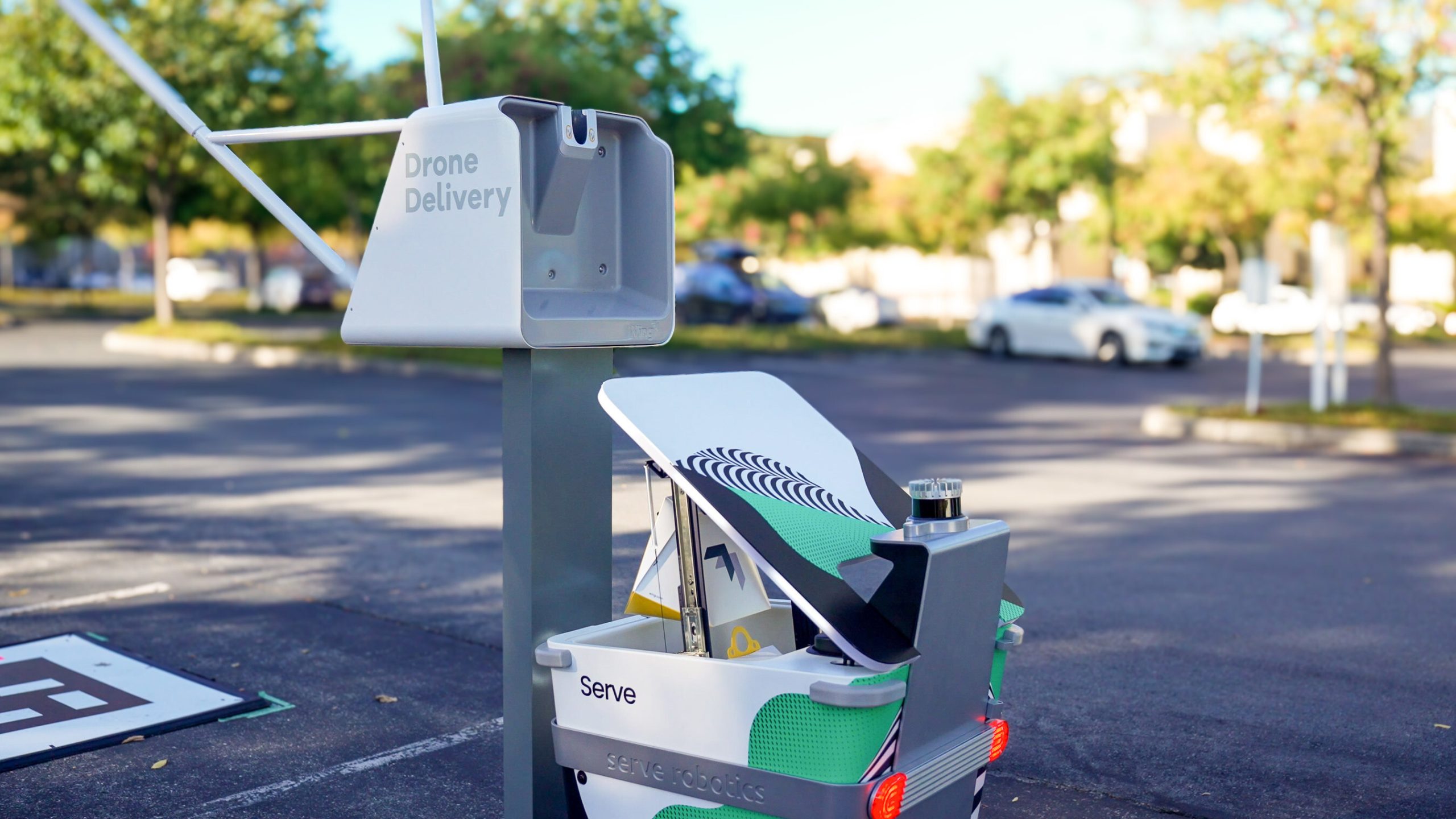
Serve’s sidewalk delivery robots load Wing drones as part of a pilot.
And there could be cost benefits.
“Some of these [drone] players are already in the low, single-digit dollars per delivery,” Riedel says.
How restaurants can prepare
Riedel advises restaurants to start planning now.
“If you’re a big chain, you can really think about the strategy of how you want to shape the commercial relationship and engage with it. Is the food order in your app, or is it ordered through a third-party app? Which part of the value chain do you engage with?”
Smaller operators may benefit from teaming up.
“There’s a real question around, hey, do you want to band together with your neighbors and approach these drone companies proactively and say, ‘Why don’t you put a loading station here?’ Each individual restaurant might not have enough volume to justify it, but if you have a cluster, it might make sense.”
And most importantly.
“Don’t underestimate how quickly this will start being out there and disrupting the delivery market.”
Related: Drones Set to Transform Restaurant Delivery
Several restaurants are already testing drone delivery, especially in Dallas.
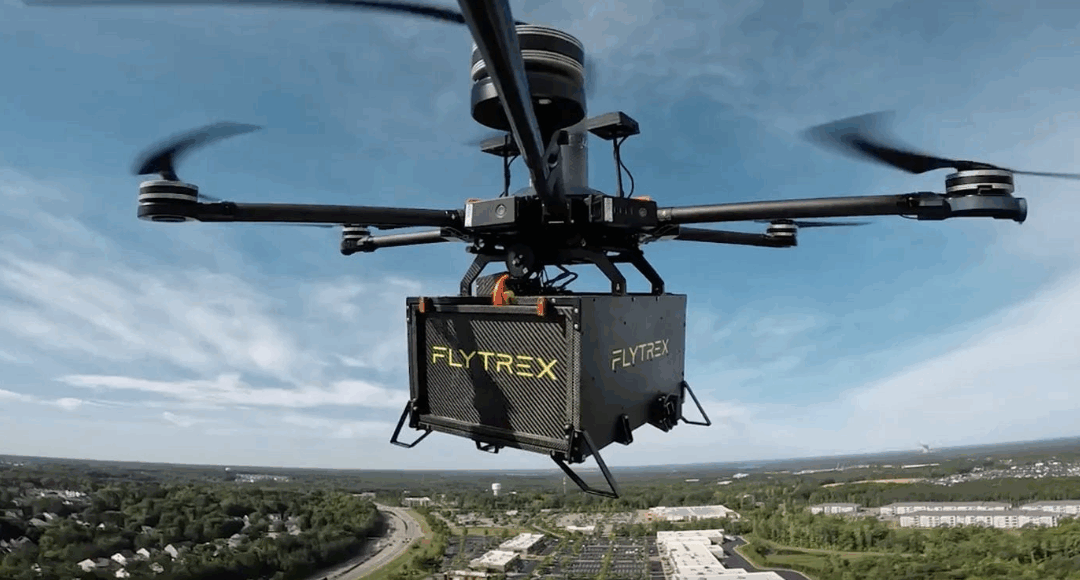
Chipotle tapped Zipline and DoorDash to launch aerial delivery in Dallas. Other drone delivery players include Flytrex, Wing and Manna.