As Gen Z and Gen Alpha grow into the majority of diners, restaurants need to stay adaptive.
“They’re not a paper-first generation. They’re not used to holding a piece of paper that has names for things…it doesn’t match how they interact with the rest of the world,” said Bob Vergidis, founder and chief vision officer at Pointofsale.cloud.
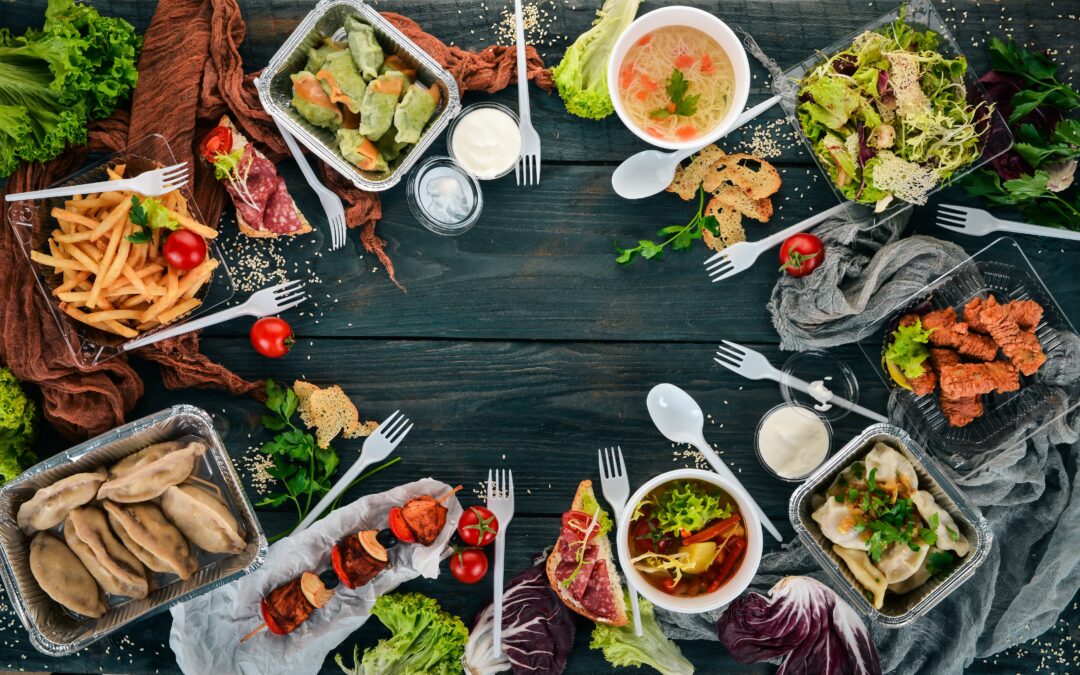
Today, visual storytelling matters. Guests often look up images on Yelp or Google before ordering.

Bob Vergidis, founder and chief vision officer at Pointofsale.cloud
“I’ve seen people look at the paper menu, then open the restaurant’s online ordering site just to see what things look like,” said Vergidis.
On QR codes, he noted that “they kind of fell out of favor for a while,” but he thinks we will see a return. “You’re able to show food to customers using images; they can actually see what it looks like. That’s really big.”
For online ordering, Vergidis predicts that a single static photo will no longer cut it.
“From the off-premise side, try short-form video. Not just showing a picture, but something interactive about the item—how it’s made, more context. This generation is really looking for a story.”
TikTok and Instagram have already proven that short, shareable food stories drive hype and sales.
“It used to be that you built a story around the restaurant. Now the product is the story. Tell me in 10 seconds why this item matters, and I’ll pay more for it.”
Consistency is key on third-party marketplaces
Running menus across multiple delivery platforms can be a headache.
“Many operators are putting in the least amount of effort just to have something out there, and then forget to keep it up to date. The big thing is to make sure all platforms act the same way. Guests should have access to the exact same options across every channel.”
That’s why it’s important to have a solid first-party ordering experience.
“I’ve seen guests go to DoorDash and not be able to do something, like customize an order, that they could on the restaurant’s own website. That’s a turnoff.”
Pricing transparency
“For third-party, restaurants are caught between a rock and a hard place, they have to give away 20–30 percent of gross sales. Raising prices to cover it isn’t going away, so operators should make their own website the primary channel for customers,” said Vergidis.
Rising menu prices also mean guests expect more transparency. “If an entrée is $28 and it’s not what I thought, I might never go back. Show me exactly what I’m getting.”
Tech beyond transactions
Vergidis says many POS systems today fall short.
“They’re glorified spreadsheets. They do the math, run the card, maybe track inventory. But they don’t help operators engage guests.”
That’s the gap pointofsale.cloud is aiming to close. The company isn’t just focused on transactions, it’s working to give operators the tools to meet shifting consumer expectations.
Success with Gen Z and Gen Alpha comes down to a few things: menus that show and tell, a consistent experience everywhere, and pricing that feels fair. Get those right, and diners will keep coming back.
“These kids have set up a new culture. We need to adapt to it, and restaurants should take advantage.”