Continuing its push to integrate the latest artificial intelligence models across its tools, Yelp opted to deploy OpenAI’s GPT-Live-1 into Yelp Host, a voice AI solution for restaurant operators, and Hatch, an AI communication platform designed for service businesses.
Yelp announced the integrations September 10, the same day OpenAI announced GPT-Live-1’s availability in its application programming interface, making Yelp Host and Hatch among the first companies to deploy the technology.
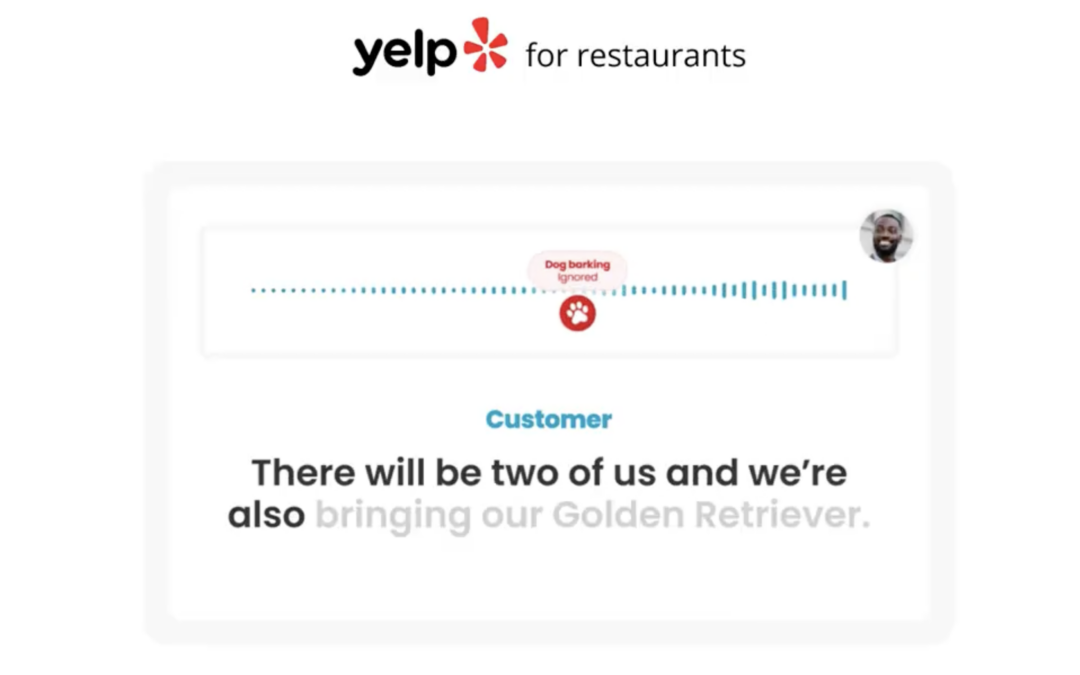
The integration enables Yelp’s voice AI solutions to include natural pauses in conversation, interruptions, overlapping speech and the ability to detect the caller’s tone. Building on Yelp Host and Hatch’s language enhancement technology, the voice AIs can now automatically detect and converse with callers in “nearly any language,” according to the news release.
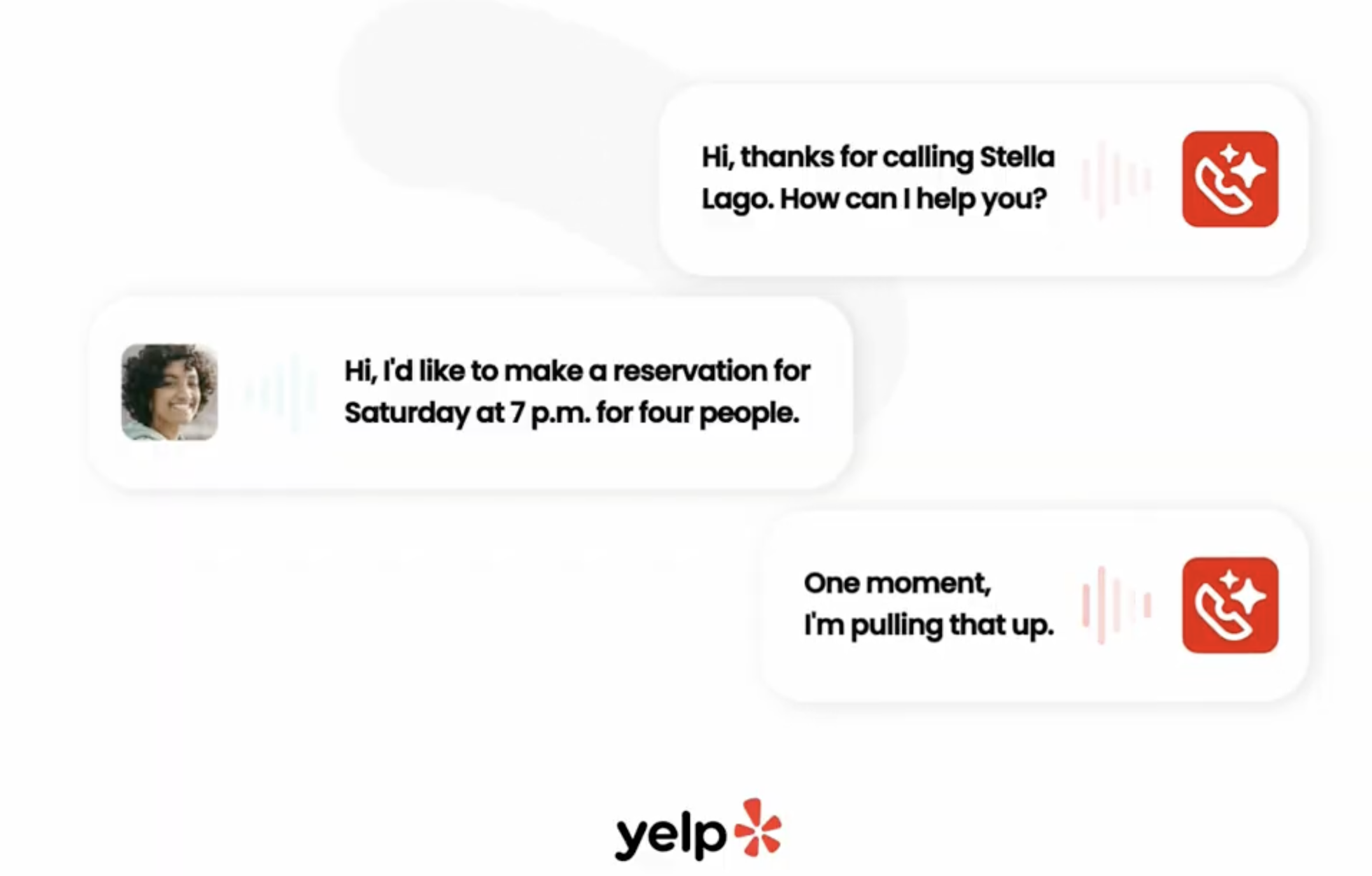
Yelp announced the integration of OpenAI’s GPT-Live-1 into Yelp Host and Hatch September 10.
Yelp Host’s adoption of OpenAI’s new voice AI model enables operators to capture otherwise missed revenue, deliver improved guest experiences and free up staff to complete other tasks instead of tending to phone calls, said Yelp’s Chief Product Officer Akhil Kuduvalli Ramesh.
“We’re excited to be among the first to integrate GPT-Live-1 into Yelp Host and provide the leading AI voice solution for restaurants,” Ramesh said in a press release. “Powered by our reliable business data and frontier tech stack, Yelp Host’s value to restaurants is not only how it sounds, but how deeply it understands each restaurant’s operations. With GPT-Live-1, every call is more conversational and responsive.”
Yelp Host—trained on Yelp’s tech stack to understand operational data like reservation availability, menu specials, food ordering and seating areas—has handled more than 1 million restaurant calls since launching last October.
GPT-Live-1 provides a more natural conversational flow, improved turn-taking and smoother handling of interruptions and background noise. As a result, Yelp Host callers spoke in complete, natural-sounding sentences during testing, rather than shorter voice commands. Additionally, the new model produces sharper post-call transcriptions and cleaner conversation records.
“We’re bringing GPT-Live-1 to the API so developers can build more natural, powerful voice experiences by pairing it with their choice of models and tools,” Teri Yu, multimodal product lead at OpenAI, said in the announcement. “It’s exciting to see customers like Yelp and Hatch use these capabilities to solve everyday problems for local businesses—from handling reservation calls to scheduling repairs—and bring the benefits of AI to more people.”
Hatch, a platform founded in 2018 and acquired by Yelp in 2026, combines conversational AI with operational intelligence to manage tens of millions of leads across voice, text, email and web channels. The platform enables AI agent-powered customer service representatives to engage leads, send annual service reminders, use real-time data to book appointments around the clock and integrate with the systems built into businesses’ operational structures.
“Great voice AI requires more than a great voice model,” Chris Bache, co-founder and chief executive officer at Hatch, said in a release. “We’ve dedicated years to building the intelligence that understands how service businesses operate, from technician availability and service areas to scheduling rules and emergency routing. GPT-Live-1 transforms how the conversation feels, and Hatch provides the operational intelligence that turns those conversations into booked jobs.”