Dlivrd is stretching its roots in catering logistics, building what CEO and Founder Chris Heffernan calls “a moat around the customer” through a series of acquisitions, product launches, and international expansion.
“It’s been kind of a whirlwind few weeks, but all of this has been in the works for about a year,” Heffernan said. “The idea was always, how do we protect the customer relationship for restaurants and make delivery feel like a true extension of their brand?”
Recent moves include acquiring Omnicart, a company that specializes in catering-focused online ordering, to Praze, which automates guest feedback after deliveries.
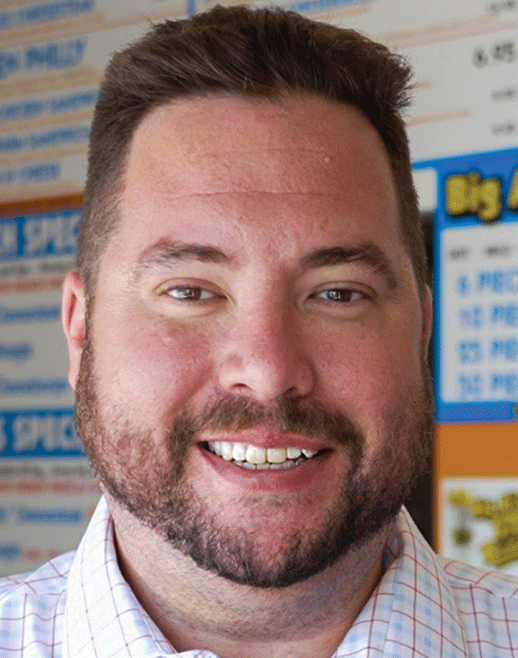
Chris Heffernan, CEO & Founder, Dlivrd
“Most online ordering systems are built for takeout or on-demand,” Heffernan said. “But catering is different. You need different menus, different workflows, and different ways of following up with guests. With Praze, you can send an automated message an hour after a delivery and feed those results right into the tools the brand is already using.”
Expansion hasn’t stopped at software. Dlivrd is also moving into new markets. It acquired London-based Vanuse, a van delivery service operating across the U.K. and Ireland in late August.
“Catering isn’t as big in the U.K. yet, but it’s growing, and what we’re really good at is figuring out the last mile,” Heffernan said. “So we’ll use that fleet to power our Expedite delivery management suite internationally, and we’ll also bring what we learn back to the States.”
Launching Nibble
On the home front, Dlivrd is preparing to launch its own first-party ordering product, Nibble.
“In Nibble, you’ll be able to create your catering menu, list it on your website, track deliveries, and see guest feedback, all in one place,” Heffernan said. “And if you’re already an Expedite customer, those Praze reviews will still show up there. Everything talks to each other.”
That connectivity is the real differentiator, he added, especially as restaurant teams are asked to do more with less. “A lot of companies will say they integrate with someone else, but sometimes it’s through another third-party. That’s where things get messy. At the end of the day, if an order’s late, the customer doesn’t care who dropped the ball; they just know their food showed up late. That’s why building this ecosystem was so important.”
The timing, he added, is right, as catering and large orders are seeing a post-pandemic surge. “Return-to-office is driving a lot of it. Feeding the office used to be a perk; now it’s almost a requirement,” Heffernan said. “The brands that win in catering are the ones treating it like a distinct channel, not just throwing the regular menu in a takeout bag.”