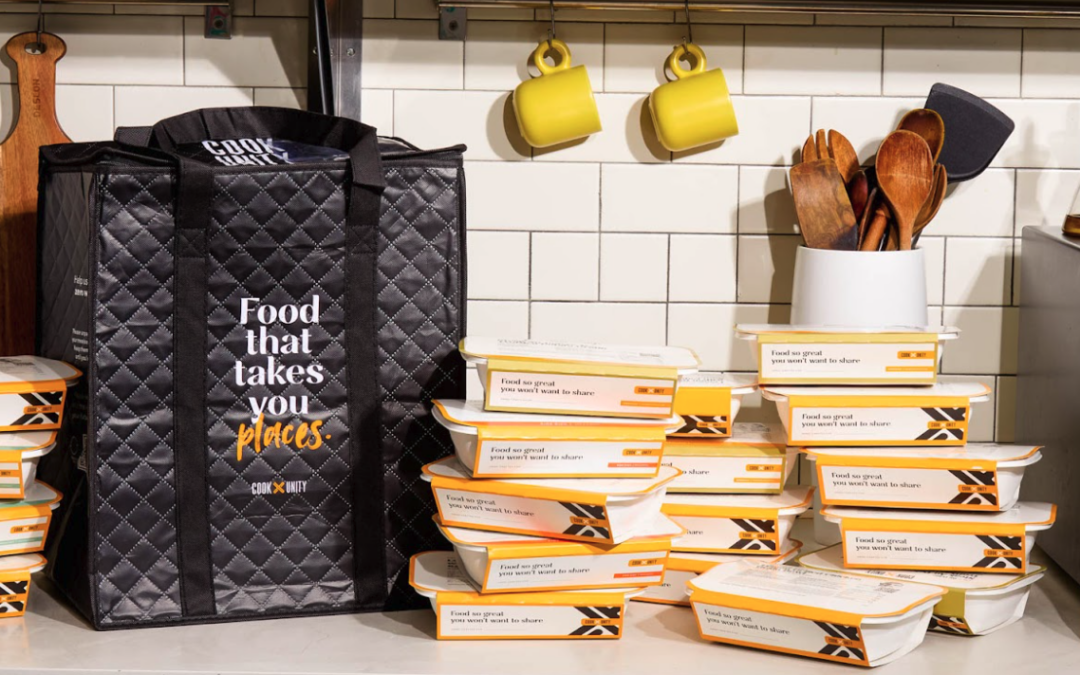
CookUnity, the chef-to-consumer meal delivery platform, is redefining how culinary talent reaches diners.
Partnering with local and national chefs, the platform delivers restaurant-quality meals made from the chefs’ own recipes. This year, it added high-profile names like Marcus Samuelsson, Rick Bayless, and Cat Cora, showing how chefs can expand their reach without opening new brick-and-mortar restaurants.
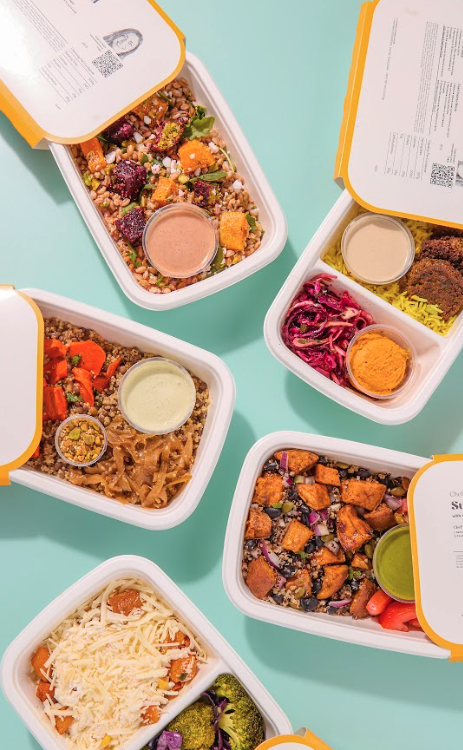
CookUnity’s meals arrive ready to heat.
The company continues to see growth in both the U.S. and Canada, achieving more than a 75 percent year-over-year increase in total meals.
“We’re building a model that supports both sides of the table: customers who want exceptional food, and chefs who deserve a platform to grow their brands and reach more people,” said Mateo Marietti, cofounder and CEO of CookUnity in a statement.
CookUnity lets customers pick a weekly plan, choosing 4–16 meals based on their preferences. Each week, they can select from dozens of menu options tailored to their diet, with menus posted two weeks in advance. Meals arrive in eco-friendly packaging, heating instructions and nutrition information.
Chef-to-consumer model
According to the company, the average chef on CookUnity generates $850,000 annually.
“We don’t do licensing”, said Aalok Kapoor, chief operating officer at CookUnity.“They’re as incentivized to provide quality in this setting as they are in their own restaurants, because it’s their meals, their menu, and their pictures on the meals that are sent. What we don’t do is tell the chef how to cook or what menu items to come up with. That is the expertise of the chef—they know what works, what tastes good. We just know what needs to be added at a given point in time,”
The meal delivery platform recently secured $250 million in non-dilutive funding from General Catalyst to accelerate customer acquisition, brand expansion, and chef partnerships.
“This funding allows us to build both sides of the marketplace over the next few quarters. We can acquire more consumers, more chefs, and turn the flywheel faster, strengthening network effects across the platform,” Kapoor said. “Even though our numbers are big, the opportunity is still very early. Penetration is much lower than the revenue numbers would suggest. There’s a lot of upside, a lot of headroom, and a lot of meals to deliver.”
Chef selection continues to be guided by both talent and variety. “We’re fortunate that the chef community is spreading the word, so we get organic interest from really good chefs. Then we balance that with the variety needed for customers—cuisines, dietary requirements, and so on,” Kapoor added.
Looking ahead, the company is preparing a new brand campaign, “Chefs to the People,” to expand subscriber engagement.
Founded in 2016, CookUnity has grown from a single Brooklyn kitchen to eight kitchens across the U.S. and Canada.