Editor’s Note: This article is part of our Summer Series, where Food On Demand explores a different topic each month. July’s focus is beverages.
The U.S. coffee shop market is growing at a caffeine-fueled rate, even as Starbucks hovers around 17,000 domestic stores. Off-premises-first competitors are among the fastest-scaling brands in the quick-service beverage industry: 7 Brew Coffee grew from 38 locations in early 2023 to 777 units last month, and Dutch Bros reported year-over-year revenue growth of over 30 percent in Q1 2026.
Those chains only represent a fraction of the broader U.S. coffee shop scene, which surpassed $58 billion in market value last year with more than 45,000 total units, according to May 20 findings from Statista. Still, longtime leading brands and emerging disrupters in the space rely on the same secret ingredient to capturing coffee-seeking consumers: steadfast approaches to innovation, both on the menu and beyond.
Even after 162 Q1 closures, the Seattle-based caffeine titan Starbucks boasts roughly 6,000 more U.S. locations than several of the next-largest coffee chains — Dunkin’, Dutch Bros, Scooter’s Coffee and 7 Brew — according to 2026 figures.
Tressie Lieberman, Starbucks global chief brand officer, stressed the value of introducing menu offerings before they become commonplace as a critical cornerstone for the company during the brand’s 2026 Investor Day event in New York City.
“Innovation isn’t optional. It’s oxygen for our brand, and our brand’s strength is backed by a global innovation powerhouse,” Lieberman said during the event. “We know how to get people talking with our strong track record of breakthrough innovation. From seasonal lattes to Protein Cold Foam, we have consistently created platforms that redefine the industry.”
Starbucks pioneered flavor trends like pumpkin spice lattes, which first hit menus in 2003 but remains an order-driving LTO each fall. Additionally, the brand blazed the trail for cold foam becoming a mainstream staple for specialty coffee customers, originally testing the offering at a Starbucks Reserve Roastery location in Seattle. Now, cold foam accounts for a third of the company’s billion-dollar customization business, with varieties such as vanilla sweet cream, ube, matcha and a protein-dense option.
While beating competitors to the punch is a key component of Starbucks’ menu innovation strategy, Lieberman said remaining confident in new offerings is similarly important.
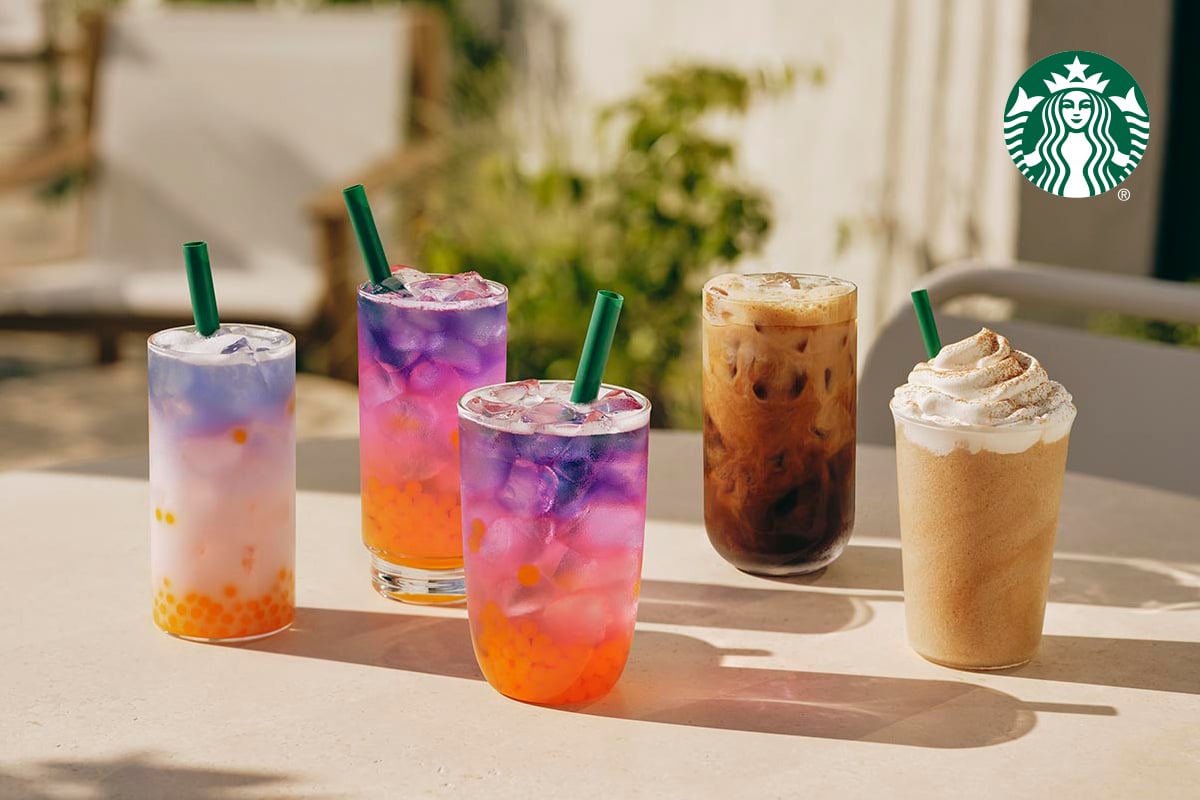
Starbucks Refreshers, introduced in 2012, and cold foam, first tested in 2014, have become two of the coffee chain’s signature beverage offerings.
The company introduced Starbucks Refreshers in 2012, a line of fruit-based drinks with customizable caffeine levels, as an alternative to coffee for guests seeking an afternoon energy boost. The offering took several years to resonate with consumers, but now stands out as one of the brand’s fastest-growing beverage platforms.
“You have to have the deep belief that you are in the right moment and then, frankly, you have to have the intestinal fortitude to stick with it,” Lieberman said.
More recently, as part of the brand’s Back to Starbucks plan announced in 2024, the brand shifted marketing away from discounts and focused on pricing transparency initiatives, like removing non-dairy milk upcharges — a move since followed across the industry by competitors like Caribou, Dunkin’ and others. Additionally, Starbucks set four-minute wait-time goals in cafes and added coverage hours at more than 3,000 locations.
Starbucks is far from the only player in the U.S. coffee industry paving the way for industry-shaping trends with innovation.
Dutch Bros, now nearing 1,200 units with a drive-thru-focused business model across 25 states, introduced protein coffee in early 2024, almost two years before Starbucks followed with similar protein-packed offerings.
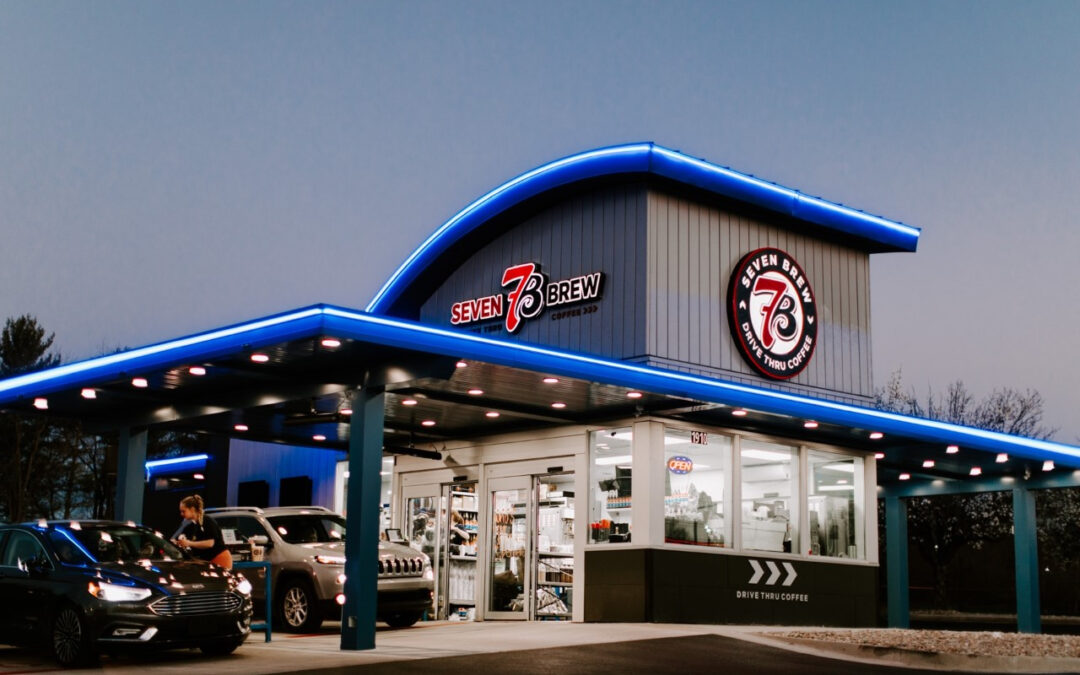
7 Brew, another primarily off-prem brand, saw U.S. unit count surge more than 140 percent since the start of last year. The Arkansas-based chain’s approach to innovation extends beyond the menu amid its dramatic scaling, unveiling its first walk-thru location inside a Walmart Supercenter in its home state last year before adding another in The Ohio State University district, according to a Dec. 30, 2025, press release.
“This has been a monumental year of growth for 7 Brew, and it’s a true testament to the one-of-a-kind experience that our customers love,” Chris Dawson, 7 Brew president, said in a release. “In one year, we’ve nearly doubled our stand count across the U.S., and we look forward to building upon that momentum even further.
Beyond specific brands’ initiatives, specialty coffee is driving growth in the market as a whole, according to the National Coffee Association’s Spring 2026 National Coffee Data Trends report.
While the popularity of traditional coffee remained relatively unchanged since 2022, weekly specialty coffee consumption among American adults increased by more than nine percent over that period, fueled largely by lattes and espresso-based beverages.
Relative to other restaurant sectors, coffee chains have long maintained off-premise-leaning models, but that trend has accelerated since the COVID Pandemic spurred delivery demand in 2020. According to May 29 industry-wide data from Corner Coffee Store, mobile and delivery channels jumped 340 percent since 2019.
“Coffee has long been a touchstone in Americans’ daily lives and a powerhouse in our economy, adapting to fit different tastes, trends, budgets and routines over time,” Bill Murray, NCA president and CEO, stated in an April 14 release. “We expect that to continue for many decades to come.”