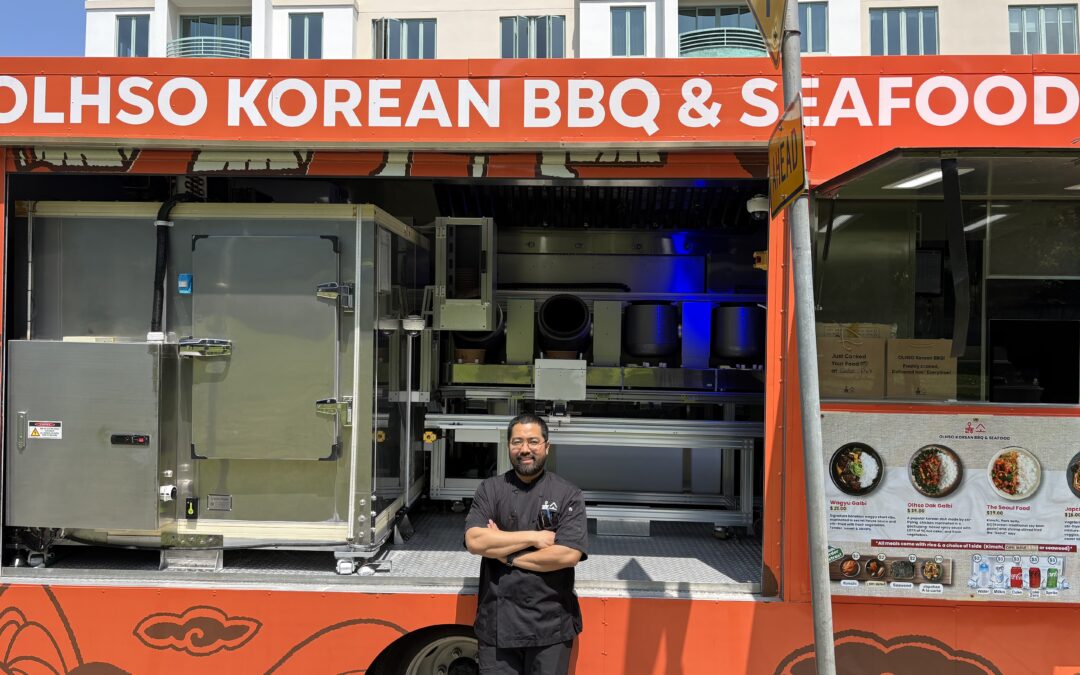
For many restaurant brands exploring automation, the focus starts in the kitchen. For Bay Area-based OLHSO Korean BBQ, it started on the road.
Since launching its automated food trucks in June 2024, the brand started service in Foster City and recently expanded to the San Mateo area.
The mobile kitchens cook meals while en route, solving some of delivery’s biggest pain points: lukewarm or soggy food.
“We are a vehicle that cooks while we’re in transit,” said Charles Kim, chief operating officer of Shin Starr Presents, which operates OLHSO. “At first, customers were unsure if we were open, but they quickly realized we deliver hot meals anywhere within our service zip codes.”
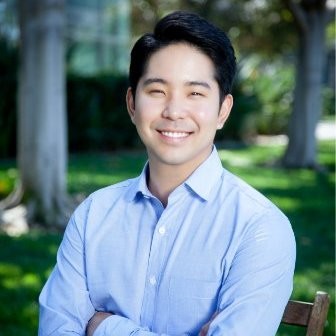
Charles Kim, Chief Operating Officer at Shin Starr Presents, which operates OLHSO.
Central to this system is OLHSO’s mobile app, which allows customers to place orders, track their meals in real time, and even see estimated arrival times. It also powers AI-driven recommendations, suggesting menu items based on dietary preferences and past orders.
Orders come from residential homes, retail lots, and parks, especially on weekends when families gather for picnics or kids’ activities. OLHSO also sees strong demand when trucks serve office gatherings and events.
Inside the robotic kitchen
OLHSO’s system is fully proprietary and modular, with automated refrigeration units, serving bots, and woks. Meals are prepped fresh and loaded into individual canisters. Once an order is placed via the app, a robot selects the appropriate canister and cooks it in the wok.
“It also calculates how long it takes to get to the customer and times the cooking so that it’s complete upon arrival,” Kim said of OLHSO’s in-truck technology.
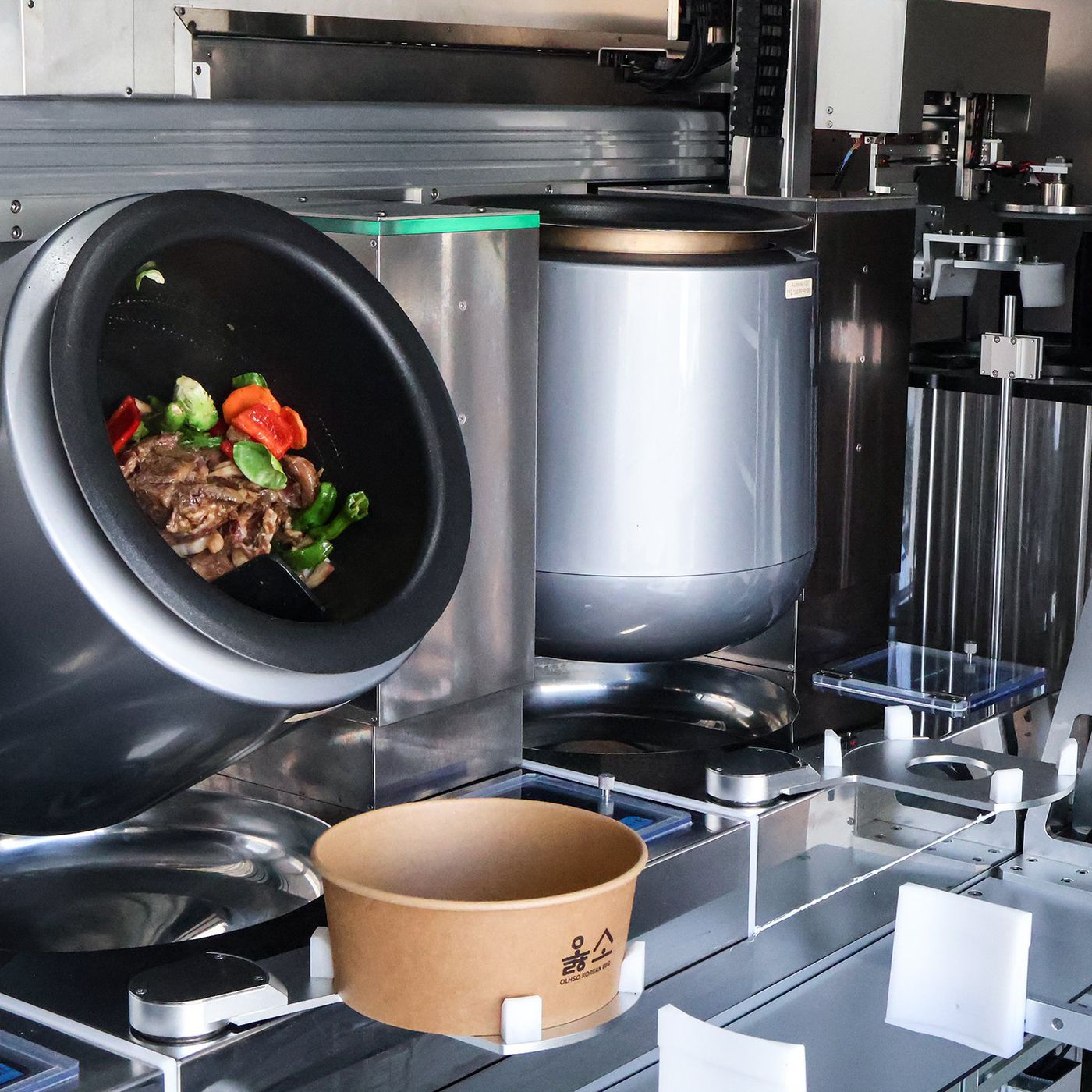
On OLHSO’s food trucks, orders from the app are cooked on-demand by a robot.
After each dish, the system runs an automated sanitation cycle.
Expanding to brick-and-mortar
In May 2025, OLHSO opened its first brick-and-mortar Korean barbecue restaurant, now operating for about seven months.
“Our brick-and-mortar is more of a representation of our branding,” Kim said. “There isn’t much automation, but it allows us to interact with guests.”
Diners grill meats themselves, creating an experiential, communal experience.
“Korean barbecue allows this kind of bonding experience,” Kim said. “Guests sit over a grill and cook the meats. It allows us to kind of tell the story.”
Focusing on authentic Korean flavors, the menu was curated by executive culinary director and executive chef Han Sungil.
“In the restaurant, because humans are there, Chef really focused on providing guests an authentic, traditional Korean taste,” Kim said.
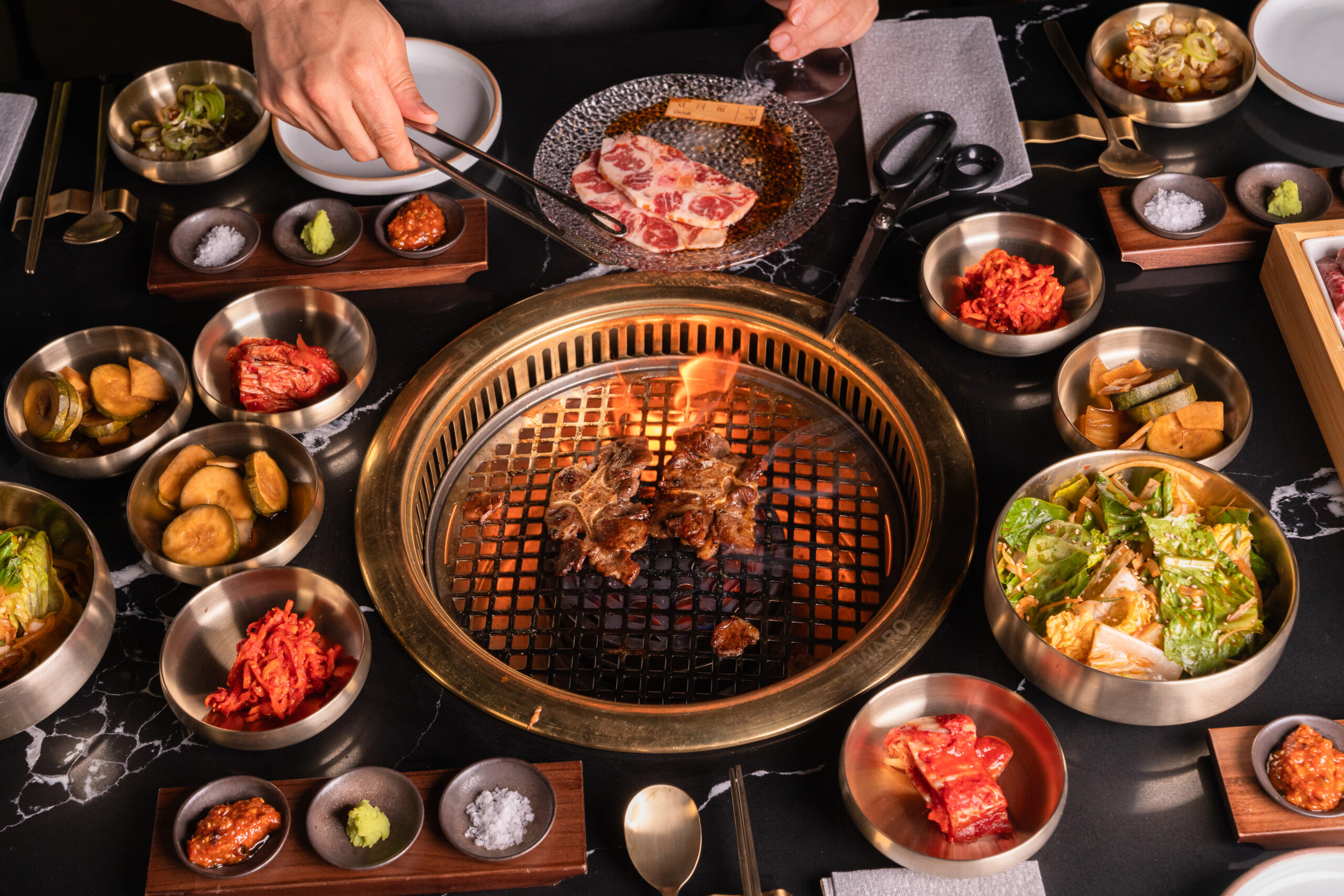
In May 2025, OLHSO opened its first brick-and-mortar Korean barbecue restaurant. Diners grill meats themselves, creating a communal experience.
For mobile kitchens, recipes are adapted for robotic cooking.
“There were limitations, but also automation allowed things that are more difficult in a traditional Korean barbecue setting.”
The next step: fully automated micro-restaurants
OLHSO is also developing micro-restaurants — compact, fully automated units for airports, stadiums, and campuses. The first will launch in early 2026 and measure 160 square feet. Customers will order via kiosk or the app and pick up meals from lockers.
“In many ways, it’s the same system as our truck,” Kim said. “The automated systems are able to provide consistency and higher throughput.”