As off-premises continues to evolve, restaurant leaders say brands are moving quickly to modernize technology stacks, improve operations and better balance first- and third-party ordering.
Across shifting delivery and off-premises trends, Zach Noren believes consumer-led priorities remain the same.
“How do we make sure we’re giving the best customer experience and then ultimately are delivering the best product?” said Noren, director of delivery strategy at Papa Johns.
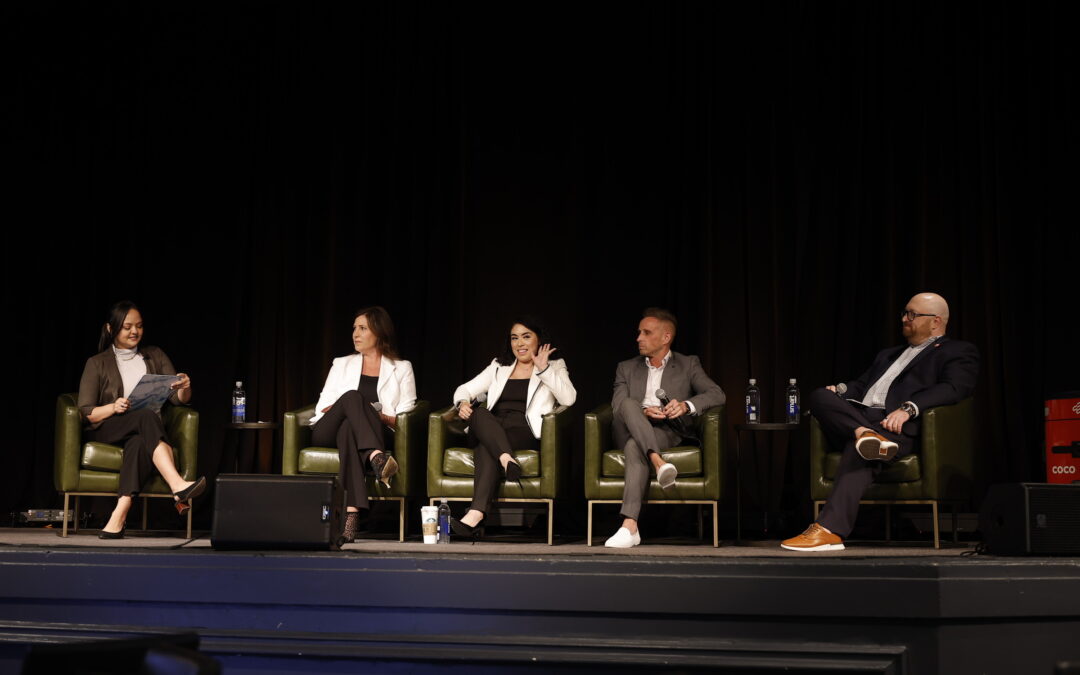
Noren spoke alongside Vicki Hormann, executive director of off-premises at Applebee’s; Jason Rusk, Wonder’s executive vice president of restaurant operations; and Tanya Dixon, senior director of off-premise and catering at Salata Salad Kitchen during a panel on off-premises strategies at this year’s Food On Demand Conference, moderated by Food On Demand Managing Editor Bernadette Heier.
Earlier this year, Papa Johns became the first brand to partner with Google Cloud’s Food Ordering AI Agent. The agent aims to personalize and streamline digital ordering with features like text and group voice ordering, applying value combinations and offering a more tailored loyalty customer experience.
And the partnerships haven’t stopped there, as the quick-service pizza chain announced plans to integrate restaurant technology firm Deliverect’s AI-powered management platform across all domestic locations by 2027.
The company continues to look at new on-ramps for innovation, whether that’s diving into catering channels, enhancing Papa Johns’ menu or improving operational efficiencies. Noren said it’s all in the hopes of staying ahead amid a more saturated and competitive off-premises landscape while supporting the brand and its franchisees.
“We really need to be able to enable our partners more cleanly from an integration standpoint and then move fast,” he said. “This industry moves so quickly with new technology now … so for us, taking that transformation journey this year is a really exciting one, but certainly not an easy task.”
When it comes to third-party apps, Dixon said it plainly: “We don’t see third-party as a threat.”
“We see it as a bridge just to get over to those guests that are already on those platforms,” Dixon continued,” to get them in the door and turn them over to your first-party loyalty.”
Similarly, Hormann sees promise in viewing first- and third-party delivery as symbiotic.
“It’s not necessarily about a different strategy,” she said of approaching guests through third-party versus the brand’s native channels. “It’s about adapting the same strategy to the nuance of third-party.”
Applebee’s is centering personalization and relevance in its digital approach, introducing an AI recommendation engine to the online ordering process and preparing to update its 35-year-old point-of-sale system next year.
At Wonder, one of this year’s Food On Demand Outstanding Operators, Rusk said success comes from understanding the larger role consumer habits play in off-premises.
Putting yourself in the shoes of consumers drives stronger operational decision making, he said, allowing for a more frictionless process.
“[Consumers] want things to be easier. You want more variety. You want it cheaper. You want it faster. You want it more convenient,” Rusk said. “I think the winners in this will find the ways to use technology, use automation, robotics to take the pain points out for team members, enable a more consistent product to get to the consumer and deliver on those things.”
The 2026 Food on Demand Conference runs through Wednesday, May 7, at the Renaissance Addison Dallas Hotel.