Editor’s Note: Uber Technologies implemented gas price relief incentives after this article was published. Click here for that story.
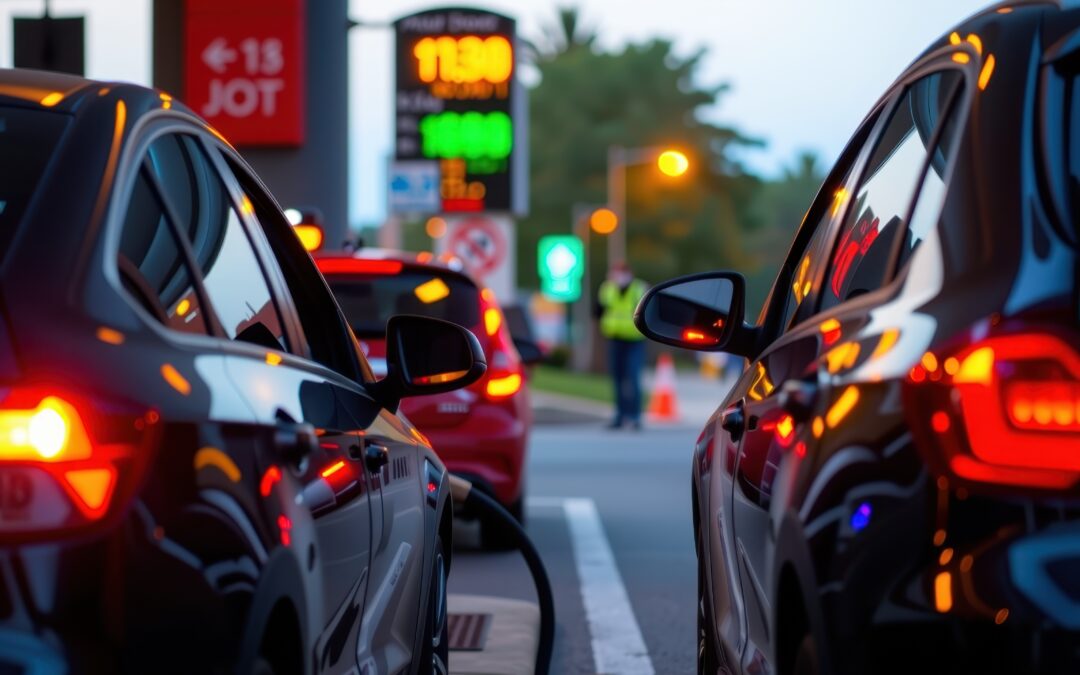
The average price per gallon of regular gasoline across the U.S. jumped more than $1 between Feb. 23 and March 23, a steeper four-week cost increase at the pump than surges associated with Hurricane Katrina in 2005 and the Russia-Ukraine War in 2022, according to data from the U.S. Energy Information Administration.
Meanwhile, third-party delivery giants are riding a wave of skyrocketing demand. DoorDash’s 2025 Q4 financial results reported a 32 percent year-over-year increase in orders, and Statista research projected the online food delivery market to reach $1.54 trillion in 2026.
A March 25 analysis from the Stanford Institute for Economic Policy Research found the increase in gas prices is the most immediate and noticeable impact of the Strait of Hormuz closure, projecting gas prices will peak at over $4.25 per gallon in May.
Those compounding trends raise the question: How do volatile prices at the pump impact 3PD platforms?
Food On Demand reached out to DoorDash, Uber Eats and Grubhub regarding how the volatile fuel costs have affected delivery prices for consumers; all of which either did not reply to the requests for comment or declined to respond on record.
Ryan Green, CEO of Gridwise, a delivery driver and rideshare assistant app that produces the Annual Gig Mobility Report, referenced the gas price hike that followed the start of the Russia-Ukraine War in 2022 when speculating whether 3PD customers would see a related price increase. He said gig workers did not see a spike in pay during the gas price hike that coincided with that supply strain, and consumers did not see a significant corresponding jump in delivery prices.
“I don’t know if we’ll necessarily see that (increase in gas prices trickle down) to the consumer,” Green said of recent gas price increases. “The big question … Do the companies try to help course correct the pay to the worker, knowing that their expenses are going to be rising substantially as gas prices rise. If they do do that, I imagine they do that with the intention of maintaining a margin, and therefore would push that additional cost onto the consumer.”
DoorDash began offering emergency gas price relief for couriers on March 23, aimed at easing the impact of rising pump prices, through April 26. According to a press release, the program includes 10 percent cash back on gas for U.S. Dashers using the DoorDash Crimson card and weekly relief payments for Dashers who drive 125 miles or more while dashing. Dashers qualifying for both incentives could save between $140 and $1.90 per gallon.
“Rising gas prices have a real impact on Dashers, especially those who are delivering the most,” Cody Aughney, DoorDash’s vice president of Dasher and logistics, said in a statement. “This program is about giving Dashers real savings at the pump.”
Following the Russia-Ukraine War gas price surges, Uber Eats implemented a temporary 35-cent or 45-cent fuel surcharge, depending on location, with 100 percent of that fee benefiting gig workers, according to a March 2022 press release. The platform has not implemented such a fee since then.
Grubhub’s website states that the platform does not directly pay for gas, but maintains that workers receive competitive compensation that accounts for mileage.
Ultimately, fundamental economic rules suggest that industry-wide gas-price-related pay increases for workers are unlikely until the supply of gig-economy couriers remains high enough to meet demand.