Consumers want more visibility into what they are eating and more personalized digital ordering experiences, according to restaurant and technology leaders speaking at the 2026 Food On Demand Conference in Dallas.
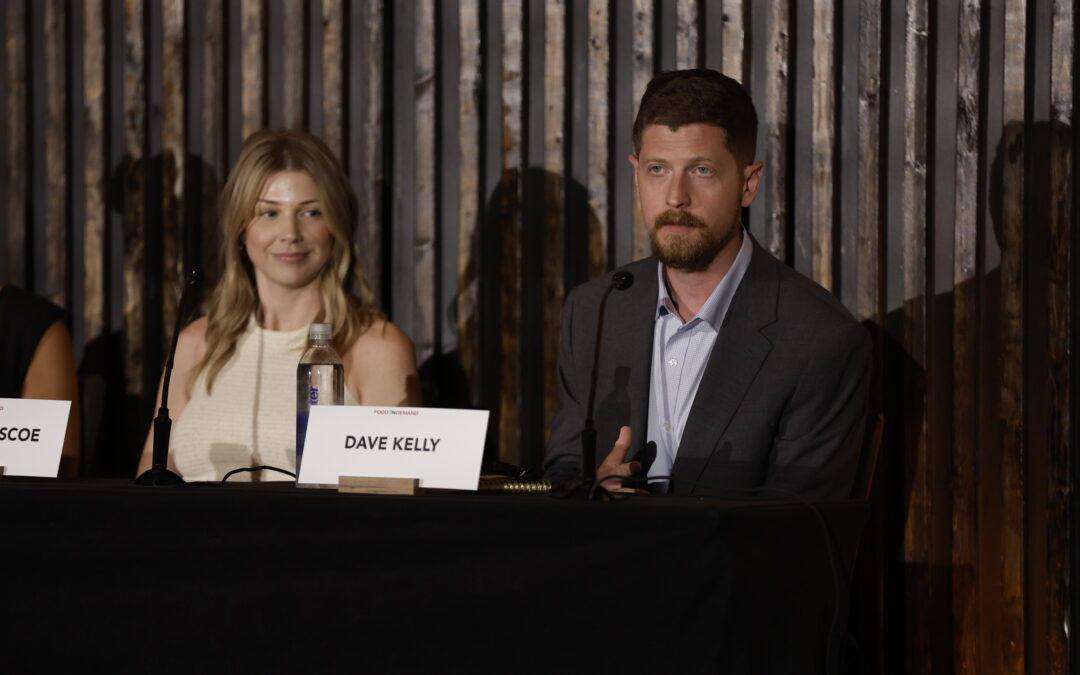
The panel, titled “How Menu Intelligence and Personalization Drive Guest Data,” was moderated by Hans Lammeman, Food On Demand foodservice and technology reporter, and featured Devon Roscoe, director of marketing professional services at restaurant software platform Olo; Lucy Logan, co-founder of smart menu technology company EveryBite; and Dave Kelly, director of marketing technology at Noodles & Co.
“There’s so much value when you take a static menu with just the listings and then unlock it in an ingredient, nutrition and allergen-forward way,” Logan said.
The discussion comes as more consumers view restaurant menus online before deciding where to eat, according to Logan, who noted that more than 90 percent of guests view digital menus before going on-premise to dine. Restaurants, she added, are increasingly expected to offer the same type of searchable, filterable experience consumers encounter in e-commerce ordering, like Amazon.
“All those e-commerce-style filtering features are exactly what we feel the menu should have,” Logan said.
At Noodles & Co., Kelly said menu intelligence played a major role in the chain’s menu revamp launched last year. The company used guest behavior and menu interaction data to understand how consumers navigated menu categories, especially first-time guests.
“What we looked at is: How are we categorizing our dishes? How are we organizing the menus?” Kelly said.
“We’ve really noticed that a lot of these new dishes that we launched, first-time guests are becoming a lot more attracted to them,” he added.
Noodles & Co. found first-time guests were about 67 percent more likely to add items from “you may also like” recommendations during online ordering.
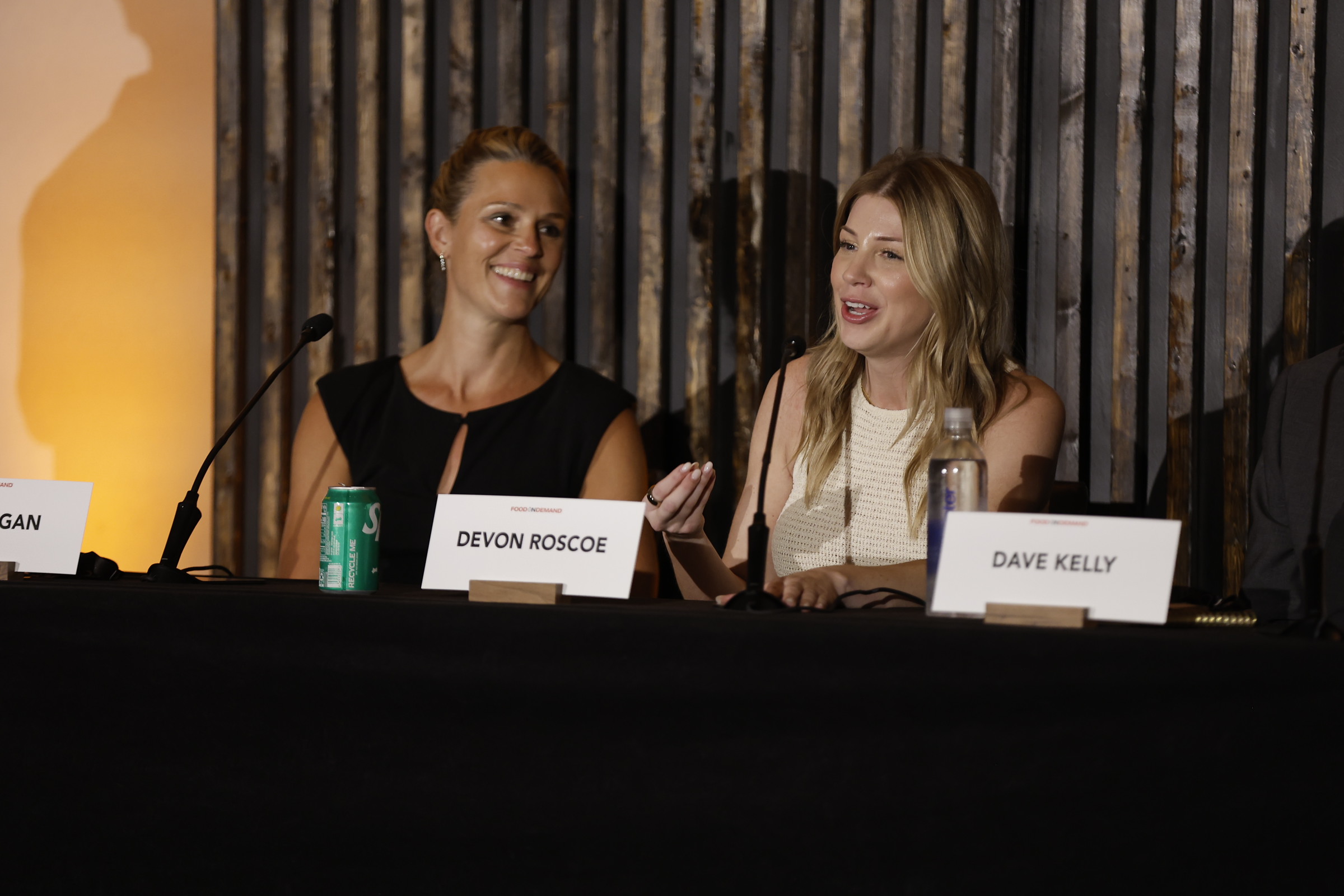
Pictured left to right: Lucy Logan, co-founder of EveryBite, and Devon Roscoe, director of marketing professional services at Olo, speak onstage during the 2026 Food On Demand Conference in Dallas.
Kelly said the company discovered smaller add-on items in the $3 to $4 range generated stronger average order value performance than higher-priced recommendations.
The chain also noticed a high number of consumers searching for ramen, even though it did not offer a traditional ramen dish at the time. The company later launched a ramen-inspired limited-time offer that became one of its most successful LTOs.
Roscoe said brands can use menu intelligence tools, such as those on platforms like Olo, to segment guests based on ordering behavior and preferences, rather than rely on broad marketing campaigns.
“Once I got them to stop emailing every single guest five times a week about the same thing, we actually saw an increase in their frequency,” Roscoe said of one unnamed brand.
The panel also highlighted growing interest in ingredient-level menu transparency and allergen filtering.
Logan said about 85 million consumers in the United States have dietary preferences, while roughly 33 million have one or more food allergens.
“If you just focus on the food allergic community, that’s one in 10 people who can’t access the menu in a way that they would traditionally need that information,” Logan said.
“If you have menu items that are showing the ingredients and the nutrition and the allergen data first, they are typically about six times more interacted with than not,” she added.
Panelists said restaurants are beginning to view allergen and dietary information as both a guest experience and discovery tool, particularly as search behavior evolves across Google and AI platforms.
Looking ahead, panelists said menu intelligence will continue advancing alongside AI and personalization technology, helping restaurants better tailor menus, recommendations and digital experiences based on guest preferences and behavior.
“I think we’re only going to get better at creating less friction for the guests,” Roscoe said.
The 2026 Food On Demand Conference wrapped up Wednesday, May 7, at the Renaissance Dallas Addison Hotel.