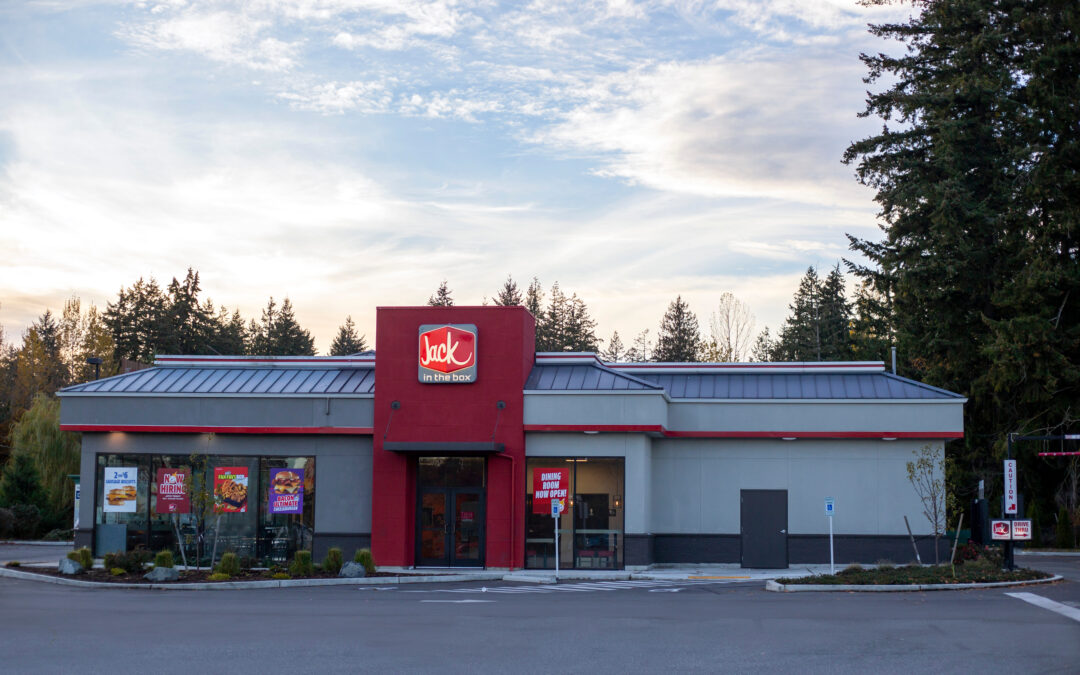
In the midst of a tech stack revamp that spanned point-of-sale system replacements and the rollout of a new inventory management tool, Jack in the Box deployed Harri, a workforce management platform, systemwide in five months.

Luke Fryer is the CEO and Founder of Harri, the a workforce management platform rolled out systemwide by Jack in the Box.
Luke Fryer, CEO and founder of Harri, said that Jack in the Box, a chain with just over 2,100 locations, needed an updated workforce management system due in large part to “a perfect storm of conditions” in California: rising wages and a quickly changing labor compliance landscape. After all, the brand is headquartered in San Diego, with nearly 45 percent of its total units located in the Golden State.
“That created a ripple effect into managerial wages, so you had a lot of compression moving into manager wages,” Fryer told Food On Demand. “So, generally, the cost of labor went up tremendously, and Jack in the Box identified a need as a franchisor at a brand level to help their franchisees more precisely and more optimally deploy labor.”
In April 2024, California law upped the fast-food minimum hourly wage by 25 percent, up from $16 to $20. Additionally, the state’s general minimum wage rose nearly 6 percent between 2024 and 2026, hitting $16.90 at the start of the year. The fast-food wage requirement applies to limited-service restaurants in California that are part of chains with at least 60 establishments nationwide, with certain exemptions.
In its third-quarter 2024 earnings report, Jack in the Box said its company-operated restaurant-level margin declined 0.8 percentage points year over year to 21 percent, primarily because of higher labor and other restaurant operating costs. The company attributed much of the labor-cost increase to California’s new minimum wage law.
Jack in the Box completed the systemwide Harri rollout in the second half of last year, concluding the effort in early December 2025. The brand’s workforce management platform provides scheduling and labor forecasting, proactive compliance and mobile-first integration with existing technology partners, including Qu and Restaurant365.
Doug Cook, Jack in the Box’s chief technology officer, said the Harri implementation aims to ease the workload facing general managers.
“Our mandate was simple: make their lives easier and their decisions smarter,” Cook said in a press release. “Harri delivered on both. The ability to optimize labor deployment in real time, and eventually use that intelligence to build sales is exactly what we were looking for in a long-term partner.”
Since completing the rollout, Jack in the Box has seen a 22 percent drop in sub-90-day attrition among hourly employees. Fryer said the rollout also resulted in compliance costs dropping by more than 25 percent, including reduced time managers spend handling these processes and less spending on break premiums in California and fair workweek premiums in other markets.
“Customers are all already very inflation fatigued, and so at some point you just have to re-engineer how you do things and run your business better, and they saw this, our partnership, as an opportunity to do that,” Fryer said of the Jack in the Box rollout. “What you’ve also seen in California is a very significant increase in the intensity and velocity of wage and hour litigation, a lot of opportunistic behavior on the part of the plaintiff attorney ecosystem, basically suing restaurants for almost uniformly innocent actions, where they can catch people out on seemingly minor issues that become very big class actions.”
The most difficult challenge associated with the five-month systemwide deployment, Fryer said, was educating managers about Harri’s compliance features so restaurants could properly take advantage of the system’s automation and intelligence capabilities.
“Because when you’re running a shift in California, you might have 25 people in the building. They’ve all got to have breaks,” Fryer said. “You’ve got very complex minor laws. At any given moment in time, you’re playing three-dimensional chess with your team, and we need to make sure managers are thoroughly trained on how to do that.”
Workforce management software’s place in off-premises channels
Systems like Harri that coordinate labor at the individual-station level offer distinct value to restaurants with significant revenue from digital channels. The system, Fryer said, addresses the nuances required to staff a restaurant optimally.
“When you have 30 percent or 40 percent of your revenue coming through digital, you actually need to have a digital make line, especially in what I call a pay-later business, like a Chipotle with an assembly line concept,” Fryer said of restaurants where customers pay after orders are prepared. “You need to be able to intelligently trigger your digital line at a certain point in revenue.”
If the unique variables facing digital make lines aren’t accounted for, Fryer said, the result typically manifests itself in hindered customer experiences.
“We respect the different channels in the labor model, so we will deploy labor into the drive-through channel, the cashier or front counter channel, and the digital channel,” Fryer said. “So as we forecast sales are going to increase in the digital channel, we then say, ‘OK, at 5 p.m., you actually need to put three people on the digital make line, and you need to open that up.’ We’ll actually warn the manager that that’s going to happen: ‘30 minutes from now, you need to open that line, and by the way, we’ve already scheduled and positioned people there.’”
Ultimately, digital transactions generally bring about larger orders, Fryer said. Labor models that fail to account for the number and mix of items in such orders can leave digital make lines understaffed.