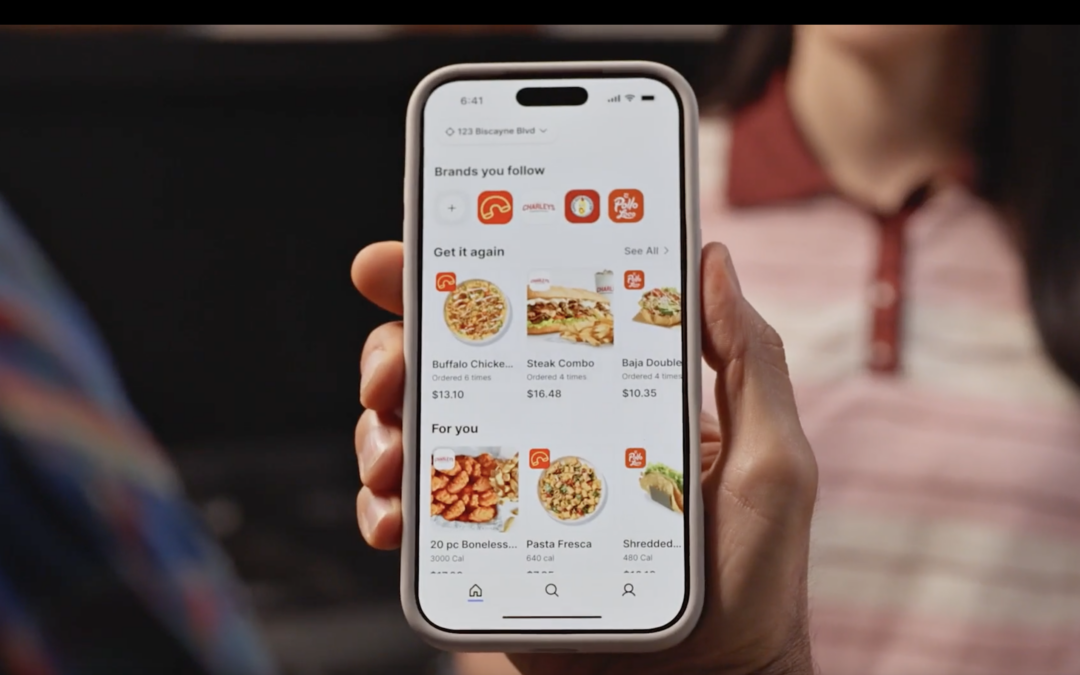
Restaurant technology and digital ordering platform Olo entered the food delivery marketplace October 20 with a straightforward pitch: restaurant menu prices without the markups, plus a 5 percent “network fee.”
In an October 27 LinkedIn post, Olo founder and CEO Noah Glass highlighted the difference between that approach and competing delivery marketplaces: “Most multi-brand apps charge restaurants a commission. To cover it, menu prices on those apps often run 15 percent to 30 percent higher than in-store.”
But do lower menu prices translate into a cheaper delivery order?
Food On Demand compared checkout prices on Olo, DoorDash, Uber Eats and Grubhub across four markets. Olo offered the lowest food subtotal in every test—but the lowest final bill in only two.
Olo provides the cheapest total in Minneapolis
The first of four major metro areas included in the test was Minneapolis, where staff compared the price and estimated delivery time for a regular Pulled Pork BBQ Mac & Cheese from Noodles & Company in Roseville, Minnesota, with drop-off set to the Food On Demand office.
Through Olo, the food cost $13.75, the same as ordering for pickup on the company’s website. The other platforms listed it between $16.30 and $17.20.
That advantage persisted through checkout. Olo’s total was $19.62 before tip, compared with $22.92 on Uber Eats, $24.80 on Grubhub and $25.57 on DoorDash.
The cheapest and most expensive options were nearly $6 apart for the same meal from the same restaurant.
There was a potential tradeoff regarding estimated delivery times. Olo estimated 34 minutes for delivery, while DoorDash showed 15–25 minutes and Uber Eats offered 16–30 minutes. Grubhub’s estimate was 33–48 minutes.
Olo won on price, but a customer in a hurry might have chosen differently if those extra minutes mattered enough.
A two-cent race in New York
The second test area, New York City, showed how promotions can complicate the comparisons.
For an order of 30 Bonchon wings with two sides and a soda headed to an NYU dorm address, Olo’s food subtotal was $51.48. Grubhub’s was $59.86.
An $8.38 gap sounds substantial. But Grubhub automatically waived its listed delivery and other fees, removing $12.07 from the bill as a result of waiving fees for orders over $50.
At checkout, Olo totaled $65.15. Grubhub came to $65.17. Just two cents separated the leading platforms.
DoorDash totaled $71.01 after an automatic $5 discount, while Uber Eats reached $78.76 after automatic fee reductions.
This comparison had caveats: DoorDash used another Bonchon branch because the selected Fifth Avenue location was unavailable on the platform. Drink availability also differed, requiring substitutions.
Those differences limit an exact comparison. Still, the checkout results illustrate the power of an automatic promotion. Grubhub started with a substantially higher food subtotal and finished within pennies of Olo.
Delivery eats savings near Houston
The third set of orders was the smallest of the four-metro test: a plain bacon dog from Five Guys in Fulshear, Texas, delivered to a home in nearby Katy, both Houston suburbs.
Olo listed it for $9.59. The 3PD competitors each charged $11.51.
For this order, Olo’s checkout showed a $6.50 delivery fee. With its 5 percent network fee and estimated tax, the total reached $17.90—the highest of the four platforms.
Uber Eats was cheapest at $14.77 after automatic promotions. DoorDash came to $15.94 and Grubhub to $16.68.
Even using Uber Eats’ listed fees before automatically applied promotions, the total would have been $15.95, still below Olo.
In this case, Olo’s lower food price couldn’t offset the higher delivery cost. The comparison didn’t explain why the delivery charge was higher.
Pizza delivers another reversal
A California Pizza Kitchen order in Sacramento followed a similar pattern.
The Original BBQ Chicken Pizza cost $19.69 on Olo, compared with $22.65 on each competitor.
Olo’s $7.74 delivery fee helped bring its checkout total to $30.13. Uber Eats finished at $27.13 after automatic promotions.
The promotion alone didn’t seal the deal. Using Uber Eats’ listed charges before the reductions, the total would have been $29.98—15 cents below Olo.
DoorDash, using a different CPK branch, totaled $30.52. Grubhub was highest at $37.02.
Olo also displayed the longest delivery estimate: 55 minutes. The competitors’ estimates ranged from 26–41 minutes on DoorDash to 35–50 minutes on Grubhub, with Uber Eats at 31–46 minutes.
Overall results
So, is Olo the cheapest food delivery app?
In two of these four tests, yes. Across all four, it offered the lowest listed food subtotal.
Olo’s menu-price advantage produced clear savings on the Minnesota order. In New York, automatic promotions brought Grubhub almost to the same level. In Texas and California, delivery charges erased Olo’s head start.
For customers, the results make a case for comparing the completed basket.
Methodology: Food On Demand priced orders across all four platforms within a half hour in each market. No paid memberships were active, and no discounts were manually added. Automatic promotions were included, with listed charges before promotions recorded where available. These were checkout comparisons; delivery estimates were not tested against actual arrival times. The findings cover four specific orders, not a nationwide ranking.