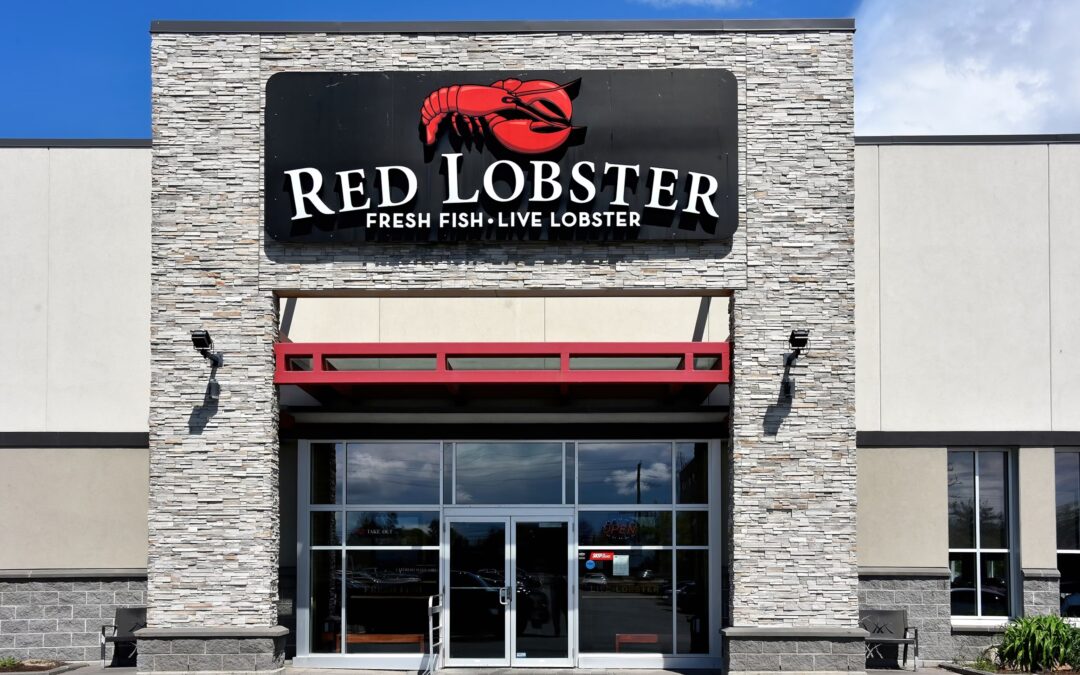
After hitting choppy waters, Red Lobster has done significant changes in an effort to revive the brand.
The seafood chain filed for bankruptcy in May 2024. It emerged in September, after its reorganization plan was approved, including its acquisition by RL Investor Holdings LLC.
It lost $76 million in 2023, shuttered dozens of North American restaurants leading up to and during the bankruptcy process. It now expects to operate about 544 locations across the U.S. and Canada.
Under the new leadership of CEO Damola Adamolekun, key shifts have taken place such as moving away from its well-known “endless shrimp” promotion, which ultimately hurt profitability, and bringing in new menu innovations and promotions, such as the now-popular “Seafood Boil.”
It also launched a “Red Carpet Hospitality Program” to boost guest experience scores and completed an overhaul of its tech stack.
“The first thing is to focus the brand back on what made it so successful, and do it in a new, exciting and relevant way,” said Larry Konency, COO of Red Lobster in an interview. “That includes everything from the way we do service and hospitality, but also the food innovations we’re doing and our tech experience.”
Returning to Olo roots
A key part of that was rejoining restaurant tech provider Olo. Red Lobster had exited Olo in 2023 to develop its own online ordering infrastructure, but found the approach too costly and burdensome. This nods to an industry trend, as restaurants debate between a build-vs-buy approach on their tech stacks, many landing on a “hybrid model.”
RELATED: Build or Buy? Steering Through Maze of Custom Vs. Commercial Tech
“You’re witnessing all these things that are differentiators: the menu innovation, the promotional innovation that the brand is doing…I like to think that part of the ability to really focus on those things and execute on them is because they don’t have to worry as much about recreating the wheel,” said Olo CEO Noah Glass.
“There are things that we can do structurally, differently than an individual brand building their own tech stack could do themselves,” added Glass. “Doing benchmarking with the metrics that we provide, but also our consulting services and professional services bringing new ideas.”
Red Lobster will use Olo’s Sentiment tool, an AI-driven reputation management platform that analyzes guest feedback in real time. It can make fast adjustments, like tweaking flavors based on what guests are saying.
On the new Seafood Boil promo, Glass said, “It’s so cool to see the brand taking what they’re hearing from guests and iterating so quickly. It sounds like such a basic thing, but at scale, so many brands forget to do that.”
Red Lobster is also launching its first-ever, first-party catering through Olo with Catering+, a tool that integrates with the POS for order scheduling, capacity management, and more.
“It gives us the opportunity to control more, from the moment we start to take an order to the moment we deliver it to the guest,” said Konency.
The catering focus is also aimed at getting in more returning customers.
“Especially in the corporate environment, one person is usually deciding that everybody is going to eat Red Lobster for lunch… it gives us a very good opportunity to have other people go out and market and bring people in on our behalf, and then we win them back,” said Konency.
The chain plans to roll out the rest of Olo’s product suite this year, including Borderless Pay.
“We have a lot of loyal guests. Even in the short time that I’ve been here, I’ve met people multiple times in restaurant,” said Konency. “Moving to the program [Olo] gives us much better visibility into what’s happening and a much better mechanism to communicate with them and create new regulars.”