Workplace catering is no longer used merely as an occasional perk to boost staff morale. According to August 25 data from DoorDash, employers increasingly view such meals as a core part of employee benefits packages and a means to drive office attendance.
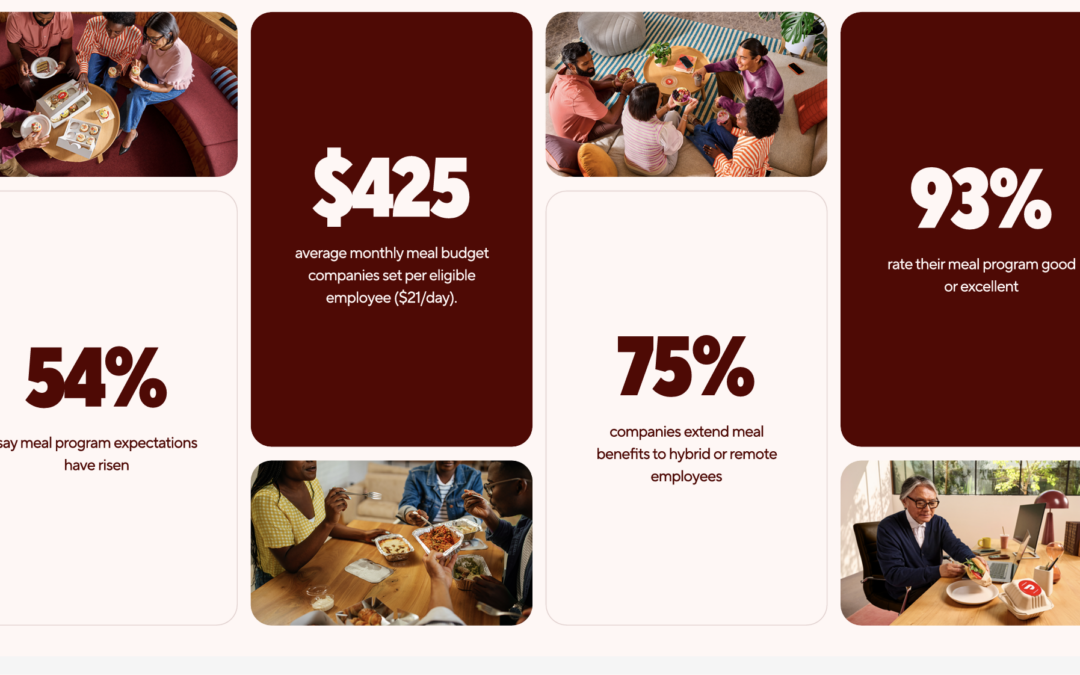
DoorDash’s 2026 Meal Impact Report found 93 percent of hybrid companies claimed meal programs helped accomplish their goals of increasing office attendance. DoorDash surveyed more than 1,000 United States company decision-makers—including human resources and benefits professionals, finance managers and administrators who oversee their companies’ meal programs.
According to the DoorDash report, nearly half of respondents noted their companies compare meal offerings with established core benefits, such as commuter incentives, phone stipends and wellness perks. For the companies that provide meals directly, 76 percent cover lunch, 66 percent cover group occasions and 36 percent cover dinner.
Those daypart figures largely align with 2026 workplace dining insights from catering platform ezCater, which reported that 36 percent of orderers showed demand for breakfast, 90 percent for lunch, 46 percent for heavy appetizers and 59 percent for dinner.
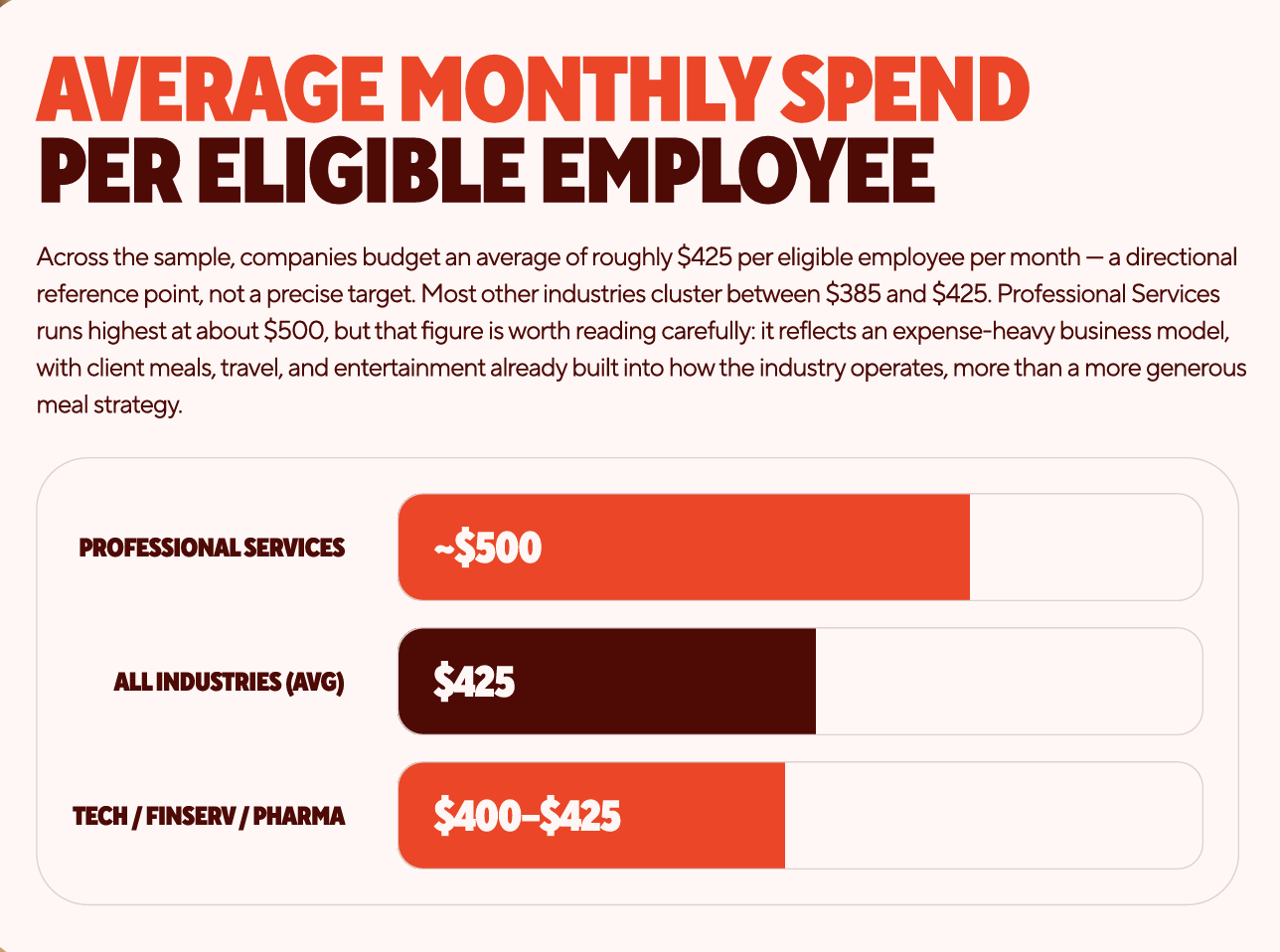
DoorDash’s 2026 Meal Impact Report found companies set an average monthly meal budget of $21 per employee per day.
“When we returned to the office, meals became a key part of our strategy for driving in-person attendance. We wanted the benefit to reward employees who were showing up and give us better visibility into how our offices were being used,” Kate Ruppert, director of facilities and office experience at Kargo, said in a press release. She noted that adding DoorDash for Business helped create a program to manage return-to-office initiatives.
DoorDash’s findings revealed that companies set an average monthly meal budget of $21 per employee per day, totaling $425 per employee per month. According to ezCater’s insights, the typical check for workplace catering customers reached $420 with an average headcount of 26.
Many employers extend the benefits of employer-provided meals beyond the office, according to DoorDash data. Three in four companies extend meal credits or reimbursements to hybrid or remote employees, allowing employers to offer the same benefit to remote and in-house staff.
DoorDash noted that the findings from the impact report show a shift in how companies approach employee satisfaction, with meals becoming an increasingly important factor in employers’ approaches to attendance and staff benefits.