From market leader Starbucks to emerging disruptors like 7 Brew and Dutch Bros,
innovation, both on the menu and beyond, is core to the scaling efforts shaping the U.S.
coffee industry.
The fast-casual chain’s menu includes two burgers and two Häagen-Dazs hand-spun shakes, a smaller selection than previous seasonal promotions.
The deal adds Zume’s technology, intellectual property and more than 300 patents spanning food robotics and packaging to Miso’s portfolio.
Related posts: Delivery Providers Roll Out Restaurant Relief Big Delivery Providers Bristle at Minimum Wage for NYC Delivery Workers Restaurant Analysts React to COVID-19 Closures Chick-fil-A Settles $4.4M Lawsuit as Customers Demand Delivery Price Transparency
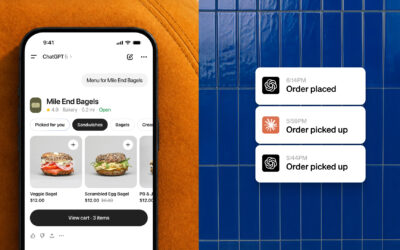
Since the start of summer, the restaurant technology company announced integrations with chatbots ChatGPT and Claude, as well as AI-powered guest engagement platform Incentivio.
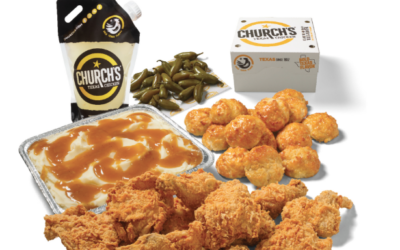
Church’s Texas Chicken is the latest restaurant chain to launch catering, introducing the service across its U.S. restaurants for the first time.
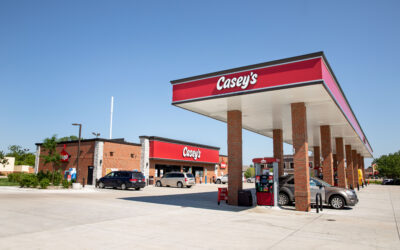
The food-first convenience chain emphasized tech stack improvements and expanded foodservice offerings in its new three-year strategic plan.
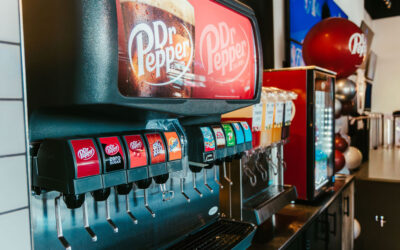
Dog Haus joins a growing number of restaurant brands putting more focus on beverages, rolling out dirty sodas, specialty coffee and expanded drink offerings through a partnership with Keurig Dr Pepper.
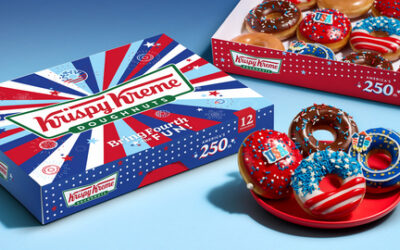
From patriotic pastries to $2.50 value deals, operators across the nation are squeezing margins and introducing LTOs for this year’s milestone Independence Day.
Related posts: Delivery Providers Roll Out Restaurant Relief Big Delivery Providers Bristle at Minimum Wage for NYC Delivery Workers Restaurant Analysts React to COVID-19 Closures Chick-fil-A Settles $4.4M Lawsuit as Customers Demand Delivery Price Transparency